DUBAI — UAE air defense systems successfully intercepted multiple Iranian missiles and drones launched toward the country Monday, with authorities swiftly containing a minor debris-related fire in Fujairah while transitioning schools to distance learning as a precautionary measure.
The aerial threats, launched by Iran late Sunday in what officials described as the first direct strike since a ceasefire understanding was reached in early April, were neutralized before causing significant damage. Emergency teams responded immediately to falling debris that triggered a contained fire in Fujairah, resulting in minor injuries to three people. The situation was brought under control within hours.
“The UAE’s defense capabilities and emergency response systems performed exactly as designed,” one official said.
Schools Move Online Through Thursday
The Ministry of Education directed all schools, nurseries and educational institutions nationwide to shift to remote learning from Tuesday, May 5, through Thursday, May 8. Authorities described the move as a proactive, safety-first measure to ensure educational continuity while allowing security assessments to proceed without disruption.
Officials said a review later this week will determine whether in-person classes can resume Friday.
The directive reflects the government’s broader commitment to public preparedness — maintaining the rhythm of daily life while placing safety considerations first.
Heightened Activity Near Strait of Hormuz
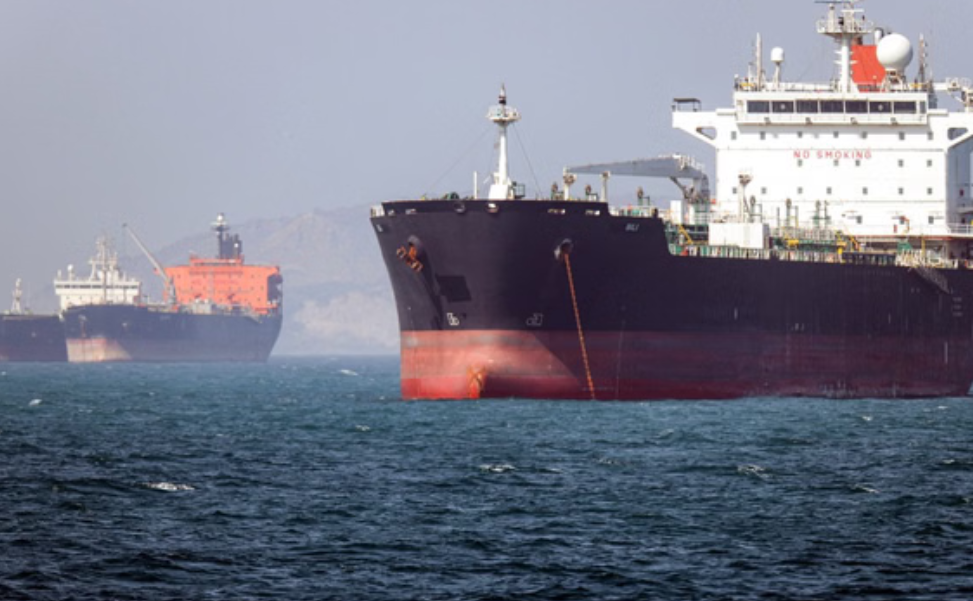
The incident coincides with intensified military activity around the Strait of Hormuz, through which roughly 20% of the world’s traded oil passes daily. The United States has expanded its naval and air presence in the corridor, deploying additional assets to escort commercial shipping and deter further confrontations linked to Iranian-affiliated vessels.
Some cargo ships have required naval escort through the strait, and isolated delays have been reported, though major commercial routes remain operational. Energy analysts say the sustained U.S. commitment to maritime security has helped prevent a broader disruption to global supply chains.
Oil prices rose sharply Monday as markets weighed the risk of further escalation, with Brent crude climbing on concerns over potential supply constraints through the strait.
International Support for UAE
Global leaders voiced support for the UAE and called for immediate de-escalation following the strike.
India, whose citizens account for a significant portion of the UAE’s expatriate population, confirmed three of its nationals sustained minor injuries in the Fujairah incident and expressed appreciation for the UAE’s emergency response. Canada and several European governments issued statements of solidarity, underscoring the UAE’s standing as a stable partner in an increasingly volatile region.
The European Union urged all parties to pursue diplomatic channels, warning that further military action risked broader economic consequences for global energy markets.
Tehran Blames U.S. Presence; Washington Holds Firm
Iranian officials attributed the escalation to what they described as provocative U.S. military deployments in the region, framing Sunday’s strike as a consequence of broader strategic pressures rather than deliberate aggression. Tehran’s foreign ministry warned against what it called a military solution to the standoff.
Washington rejected that framing. U.S. officials reiterated that any attack on American assets or personnel would be met with a decisive response, while simultaneously signaling openness to a diplomatic resolution. The State Department updated travel advisories for the Gulf region to reflect current conditions.
Shipping Faces Operational Challenges
Maritime analysts monitoring the strait report increased congestion and routing adjustments as vessel operators weigh security risks. Several shipping firms have redirected tankers pending clearer assessments, though no sustained blockage of the waterway has occurred.
Investigations into recent maritime incidents in the Hormuz corridor remain ongoing, with international observers calling for transparent findings.
UAE Emphasizes Preparedness, Calm
Emirati authorities continued Monday to project confidence and institutional readiness, urging residents to follow official guidance, monitor government communications and maintain their routines within the parameters of current precautionary measures.
The government’s response — rapid interception, immediate emergency deployment and proactive school adjustments — has drawn praise from regional analysts as a model of measured crisis management.
Diplomatic channels between the key parties remain active. Attention now centers on whether international mediation efforts can stabilize the situation before it escalates further.