
Leaders from across the Gulf, Europe and Asia denounce Tehran’s attacks as a flagrant violation of sovereignty and international law, as the fragile ceasefire of April collapses.
ABU DHABI -A global chorus of condemnation erupted on Tuesday after Iran launched renewed barrages of ballistic missiles and drones against the United Arab Emirates, shattering a ceasefire that had held since April 8 and triggering urgent diplomatic calls between world leaders.
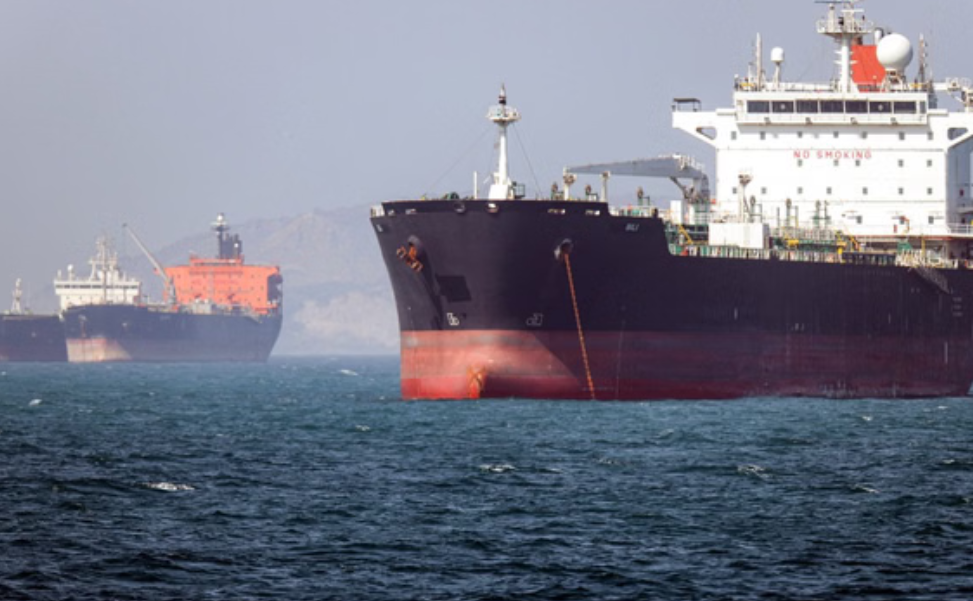
The UAE’s Ministry of Defence said its air defence systems engaged 12 ballistic missiles, three cruise missiles and four drones fired from Iran over the course of Monday. A drone strike sparked a large fire at the Fujairah Petroleum Industries Zone, injuring three Indian nationals. An ADNOC-affiliated crude tanker attempting to transit the Strait of Hormuz was also struck by Iranian drones, though the vessel was unloaded and no personnel were injured.
The Ministry of Foreign Affairs condemned the attacks in the strongest terms, describing them as “renewed terrorist, unprovoked Iranian attacks targeting civilian sites and facilities.” President His Highness Sheikh Mohamed bin Zayed Al Nahyan received a series of phone calls from regional and global leaders through Tuesday morning.
Iran is the aggressor party, responsible for exacerbating the crisis in the Arabian Gulf, and the source of danger and threat to its security and stability.” — Dr Anwar Gargash, UAE Presidential Adviser
UAE Presidential Adviser Dr Anwar Gargash expressed his appreciation for the wave of global solidarity, writing on X that the messages “reflect the international community’s commitment to a system based on values and responsibility, one that rejects rogue actions and isolates their perpetrators.”
Saudi Arabia was swift in its response. Crown Prince and Prime Minister HRH Prince Mohammed bin Salman spoke directly with President Sheikh Mohamed, condemning the attacks as a violation of sovereignty and international law and affirming that the Kingdom stands fully behind the UAE in all measures it takes to safeguard its security. Saudi Arabia called on Iran to cease its attacks and abide by the principles of good neighbourliness and relevant UN Security Council resolutions.
Qatar’s Emir, His Highness Sheikh Tamim bin Hamad Al Thani, also called President Sheikh Mohamed, denouncing the strikes as a violation of UAE sovereignty and a threat to its territorial integrity. The two sides discussed the implications for freedom of navigation, energy security and the global economy — concerns that have shaken markets as the Strait of Hormuz, through which roughly a fifth of the world’s traded oil passes, remains a flashpoint.
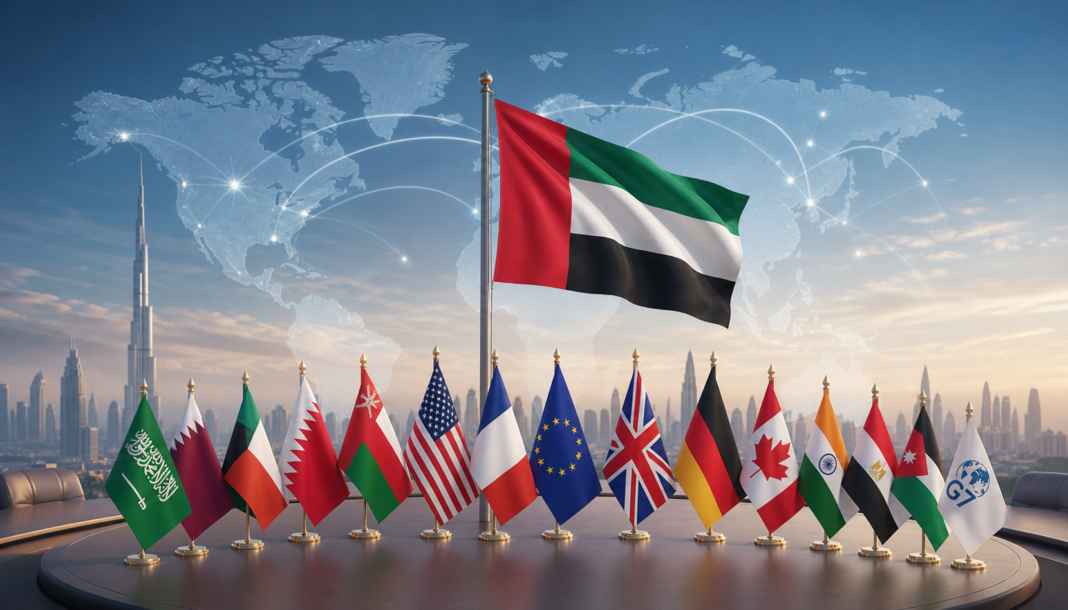
International Reactions at a Glance
| France President Emmanuel Macron Called the strikes “unjustified and unacceptable,” urging an immediate return to diplomacy. | Canada PM Mark Carney Canada “stands in solidarity” with the UAE and commends its defensive efforts to protect civilians and civilian infrastructure. |
| India PM Narendra Modi Strongly condemned the attacks after three Indian nationals were injured in the Fujairah drone strike. | European Union Ursula von der Leyen Slammed the “vicious” attacks as “unacceptable” and a clear violation of sovereignty and international law. |
| Belgium FM Maxime Prevot Called the attacks a clear breach of international law, stressing Gulf territorial integrity must be respected. | United Kingdom Government statement Condemned the attacks and urged Iran to return to negotiations and avoid further escalation. |
| Germany Government statement Joined allied condemnation of Iran’s strikes and called for an immediate halt to hostilities. | Kuwait Ministry of Foreign Affairs Denounced Iran’s ‘reprehensible aggression’ and the tanker attack as a direct threat to maritime navigation. |
| Jordan FM Ayman Safadi Described the attacks as a blatant violation of UAE sovereignty and reaffirmed unwavering solidarity. | Egypt Ministry of Foreign Affairs Categorically rejected attacks on civilians in the Gulf, warning of a dangerous escalation that hinders de-escalation efforts. |
| Bahrain Government statement Called the strikes “a dangerous escalation that threatens the security and stability of the region.” | G7 Foreign Ministers Joint statement Condemned Iran’s “unjustifiable” and “reckless” attacks on sovereign territories across the region. |
The Muslim World League also weighed in, with Secretary-General Sheikh Dr. Mohammed Al-Issa denouncing the attacks as violations of religious values and international humanitarian law, and reaffirming full solidarity with the UAE and the safety of its citizens and residents.
Arab League Secretary-General Ahmed Aboul Gheit condemned the renewed Iranian attacks in the strongest terms, while the Arab League called for an emergency session to address the escalating crisis. Cyprus and Syria also joined the chorus of solidarity, with Syria specifically highlighting the attack on the ADNOC tanker as a violation of international navigation rights.
Iran, for its part, denied responsibility through its state broadcaster IRIB, quoting a military source attributing the incidents to “US military adventurism aimed at creating a passage for the illegal transit of ships through the restricted waterways of the Strait of Hormuz.” Iranian Foreign Minister Seyed Abbas Araghchi cautioned the US against pursuing a military solution, noting that nuclear talks are continuing with Pakistan’s mediation.
As of late Tuesday, the UAE’s air defence systems had intercepted and destroyed a cumulative total of over 537 ballistic missiles, more than 2,256 drones and 26 cruise missiles since the conflict erupted earlier this year. The UAE Ministry of Education announced distance learning for all public and private schools nationwide through Friday, citing the need to protect the wellbeing of the educational community. – With inputs from WAM & International Correspondents