I have lived in the UAE for 35 years. I came from Kerala, a state where getting a single government document stamped can consume days, sometimes weeks, and often a quiet envelope slipped across a desk. You learn the rituals: arrive early, wait endlessly, return tomorrow, find the right person, know the right name. It is not corruption in the dramatic sense — it is simply how the machinery moves.
The UAE was different from the start. But now, it is moving faster than any government I have watched — and I have watched closely for 35 years
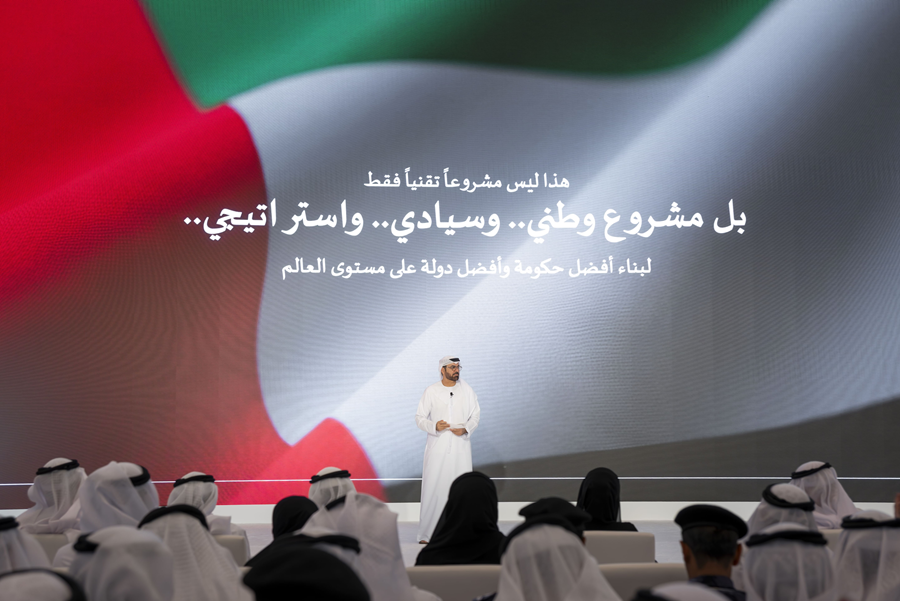
Last week, the UAE Cabinet approved a national strategy to deploy Agentic AI — autonomous, decision-making artificial intelligence — across 50 per cent of all federal government services within two years. Eighty thousand government employees, from ministers to new joiners, will be trained in these systems. The ambition, stated plainly by Vice President Sheikh Mohammed bin Rashid Al Maktoum, is to be “the world’s leading government in adopting Agentic AI.”
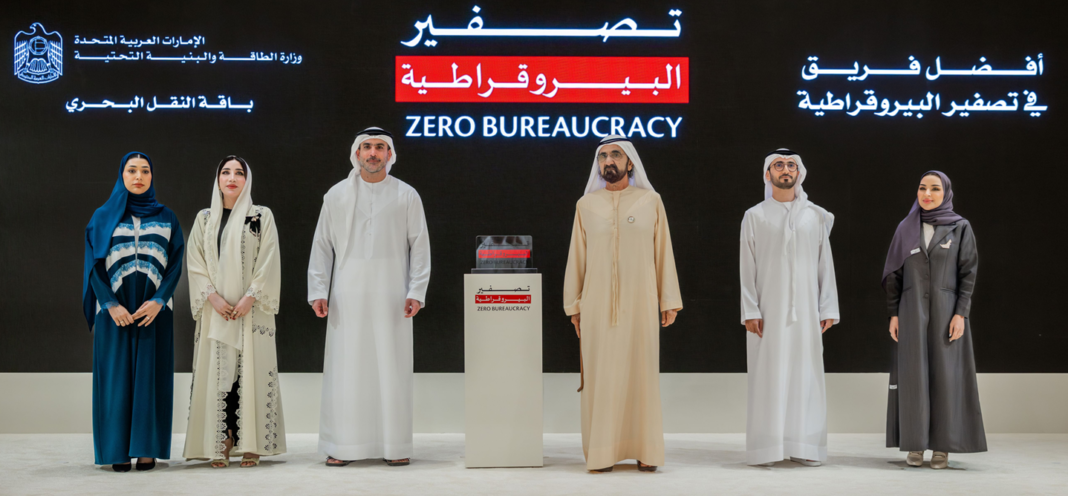
This did not arrive in a vacuum. A day earlier, the government honoured winners of its second Zero Bureaucracy Award — recognising federal teams that had genuinely simplified citizen services. A maritime transport bundle. Digital certification in one step. AI-powered employment contract verification. Real outcomes, not slogans.
For residents who have experienced government systems elsewhere, the contrast is not subtle. India’s bureaucratic culture — inherited from colonial administration and entrenched by political patronage — still requires citizens to physically present themselves multiple times for basic services. Connections matter. Party affiliation matters. In rural Kerala, a land mutation certificate or a caste certificate can take months without the right intermediary. Similar stories echo across much of South Asia, parts of Africa, and even segments of Southern Europe.
The UAE’s model is neither accidental nor simply the product of wealth. Singapore, Estonia, and Denmark have achieved comparable efficiency at various income levels. What they share is political will, institutional accountability, and the willingness to measure government performance publicly.
The Zero Bureaucracy initiative does exactly that — it names teams, scores entities, and publishes results. The Agentic AI programme builds on that foundation with tools that can process, decide, and deliver without human bottlenecks.
For 35 years, I have renewed visas, registered businesses, resolved utility issues, and navigated health systems here. Rarely more than one visit. Rarely a delay that could not be explained. Rarely a process that felt designed to exhaust you into giving up.
That, more than any award ceremony, is the real story. Governance that respects the time of the governed is not a luxury. It is the baseline. The UAE is trying to make it a science.