

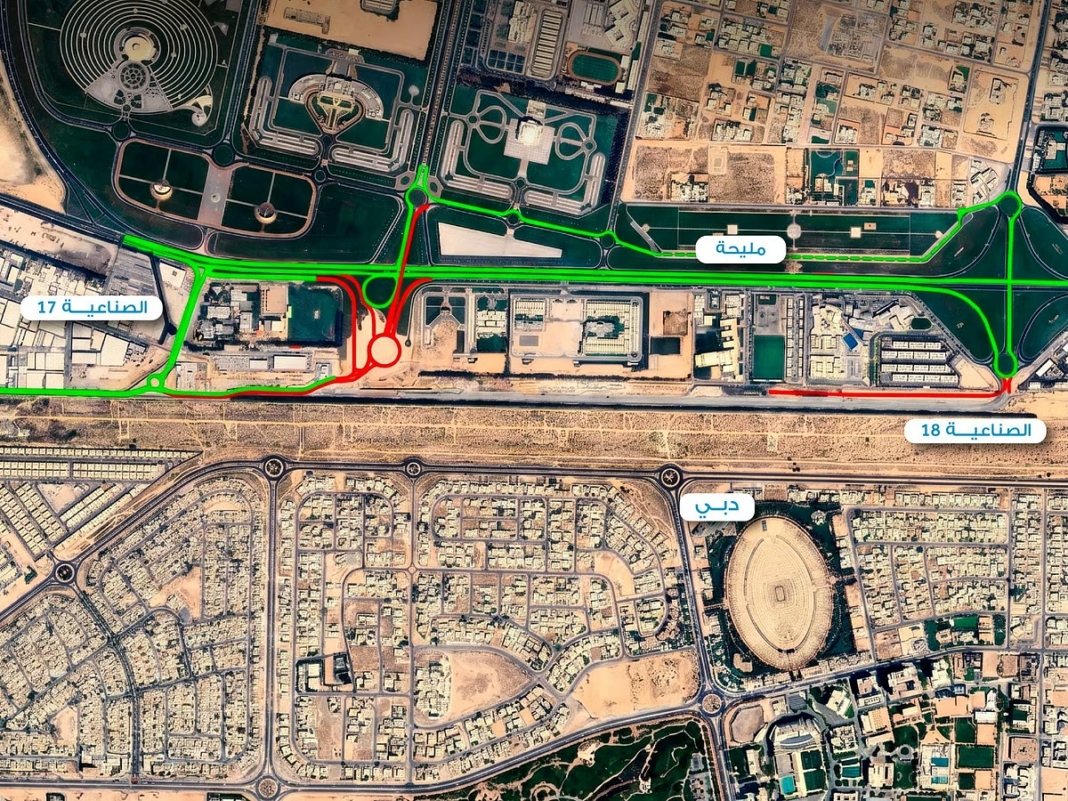
Motorists in Sharjah are being advised to prepare for slower journeys in the University City area as temporary traffic diversions remain in place to support Etihad Rail infrastructure works.
The Sharjah Roads and Transport Authority (SRTA) confirmed that the changes affect a key corridor between University City and Institutes Land (Ard Al Maahid), an area that sees heavy daily traffic from students, academic staff and commuters. The revised road layout is expected to remain until August while construction teams complete access roads linked to the future rail network.
Drivers are urged to follow temporary signage, use alternative routes and allow extra time, particularly during peak hours when congestion is likely to intensify. Authorities also called on motorists to reduce speed near work zones and comply with on-site traffic management measures to ensure safety.
The diversion forms part of the Etihad Rail Station Access Roads Project, a broader effort to prepare for passenger rail services across the UAE. Construction activity has increased across Sharjah in recent months as the emirate strengthens its role in the national rail system.
Etihad Rail, launched in 2009, spans more than 900 kilometers and is designed to connect all seven emirates while integrating ports, airports and industrial hubs. Freight operations are already active, and passenger services began rolling out in 2026.
Sharjah’s position between Dubai and the Northern Emirates makes it a critical link in the network. Once completed, the rail system is expected to improve connectivity to neighboring emirates, reduce pressure on highways and offer faster travel alternatives.
Passenger trains are designed to reach speeds of up to 200 km/h, with routes connecting major cities including Abu Dhabi, Dubai, Sharjah and Fujairah. The service aims to provide a reliable and more sustainable option for both daily commuters and long-distance travelers.
While the ongoing roadworks may cause short-term disruption, officials say the project will deliver lasting benefits by easing congestion and supporting more efficient transport across the country.