RIYADH, Saudi Arabia — Saudi Arabia recorded the world’s fastest growth in international tourism receipts during the first quarter of 2025, as the Kingdom continued expanding major tourism, cultural and urban development initiatives under its Vision 2030 strategy.
The achievement was highlighted in the 2025 annual report of the Quality of Life Program, which said its initiatives contributed SR78 billion ($20.8 billion) to the Saudi economy and supported the creation of 387,000 jobs.
The programme reported progress across tourism, entertainment, culture, sports, municipal services and urban development as Saudi Arabia continues efforts to diversify its economy beyond oil.
Tourism growth accelerates
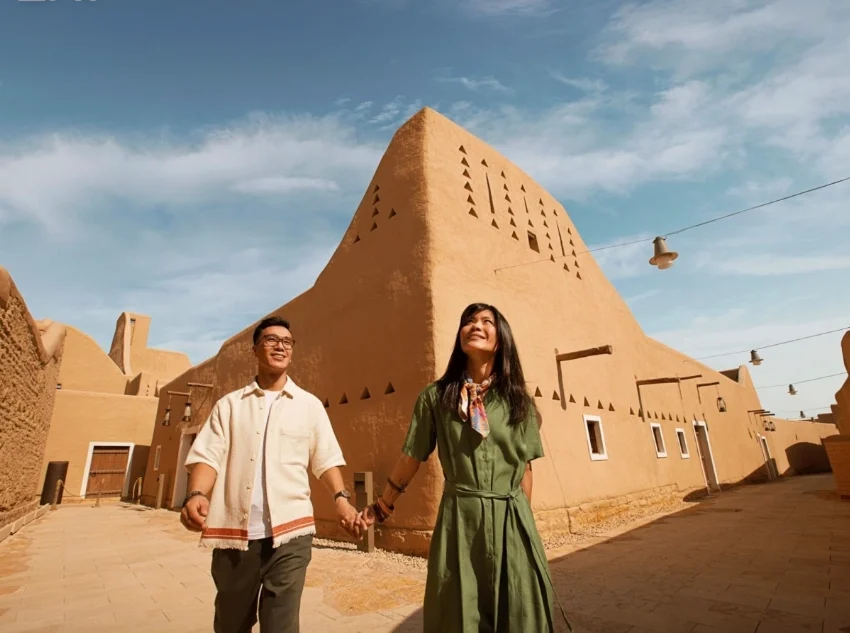
Tourism was among the strongest-performing areas, with Saudi Arabia welcoming more than 32 million domestic and international visitors during the summer season, according to the report.
Visitor numbers increased by 26% compared with the previous summer, while tourism spending exceeded SR53.2 billion.
International tourist arrivals also recorded significant growth, rising 102%, compared with global tourism growth of 3% and Middle East growth of 44%, according to the report.
The figures placed Saudi Arabia among the world’s fastest-growing tourism markets and reinforced the Kingdom’s push to become a leading global destination.
Investment and employment gains
The Quality of Life Program said it generated SR21.8 billion in non-government investment, while local content reached 44%, exceeding the programme’s target of 37%.
Officials said the programme has supported opportunities across multiple sectors by encouraging private-sector participation and creating new business activity.
The Foras platform, which connects government entities with private investors, provided more than 19,000 investment opportunities and generated contract returns exceeding SR9 billion, according to the report.
Expanding culture and entertainment sectors
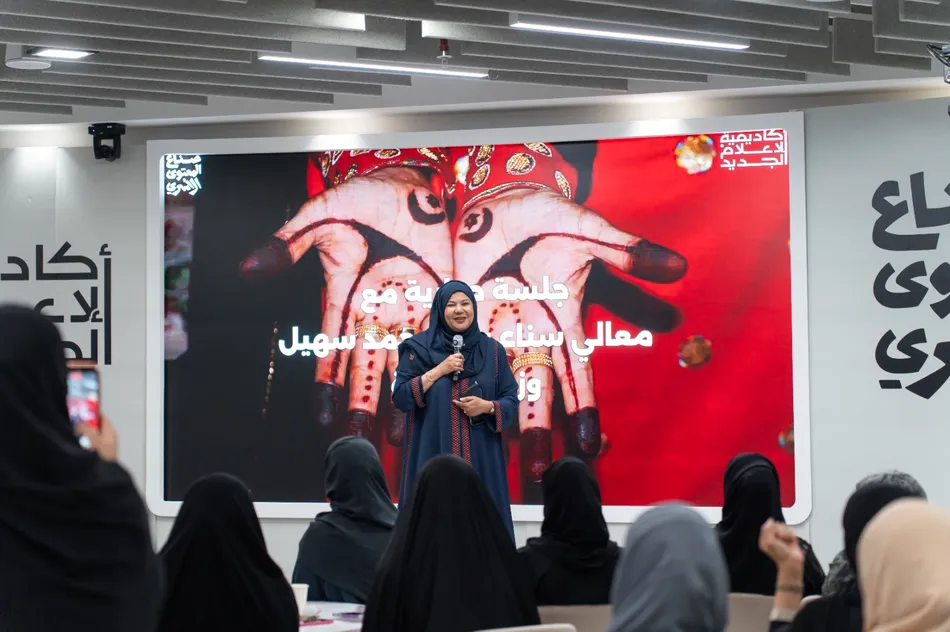
Saudi Arabia also recorded continued growth in cultural and entertainment activities.
The Kingdom reported 954 licensed entertainment venues and hosted 40 major events during the year. More than 42,000 people participated in training and development programmes across 10 cities, while startups and businesses received additional support through incubation and financing initiatives.
Cultural developments included the opening of the Prince Mohammed bin Salman Global Center for Arabic Calligraphy in Madinah and the Red Sea Museum in Historic Jeddah.
The number of cultural event days reached 6,314, more than double the annual target of 3,010 days.
Urban development and lifestyle improvements
The report highlighted progress in Saudi Arabia’s efforts to improve urban environments and public services.
The Global Quality of Life Index, launched by the programme, attracted participation from more than 90 cities across 35 countries and has been incorporated into the strategic planning framework of UN-Habitat.
Citizen satisfaction with municipal services reached 85%, exceeding the programme’s target of 74%.
The Saudi Architecture Map also introduced 19 architectural styles inspired by the Kingdom’s regional heritage and geography as part of efforts to preserve cultural identity in urban development.
Sports and public wellbeing initiatives
Saudi Arabia also reported increased participation in physical activity, with 59.1% of adults now engaging in sports or exercise.
More than 230,000 people benefited from the Sports for All platform, which includes over 9,000 sports groups across the Kingdom.
The report said these initiatives support broader efforts to improve health, community engagement and overall quality of life.
Supporting Vision 2030 goals
The Quality of Life Program is one of the key initiatives under Saudi Vision 2030, which aims to strengthen tourism, investment, cultural development and social wellbeing.
Officials said the latest results reflect continued progress toward creating more attractive cities, expanding economic opportunities and improving living standards.
Further projects and investments are expected as Saudi Arabia continues developing tourism destinations and lifestyle initiatives aimed at both residents and international visitors.