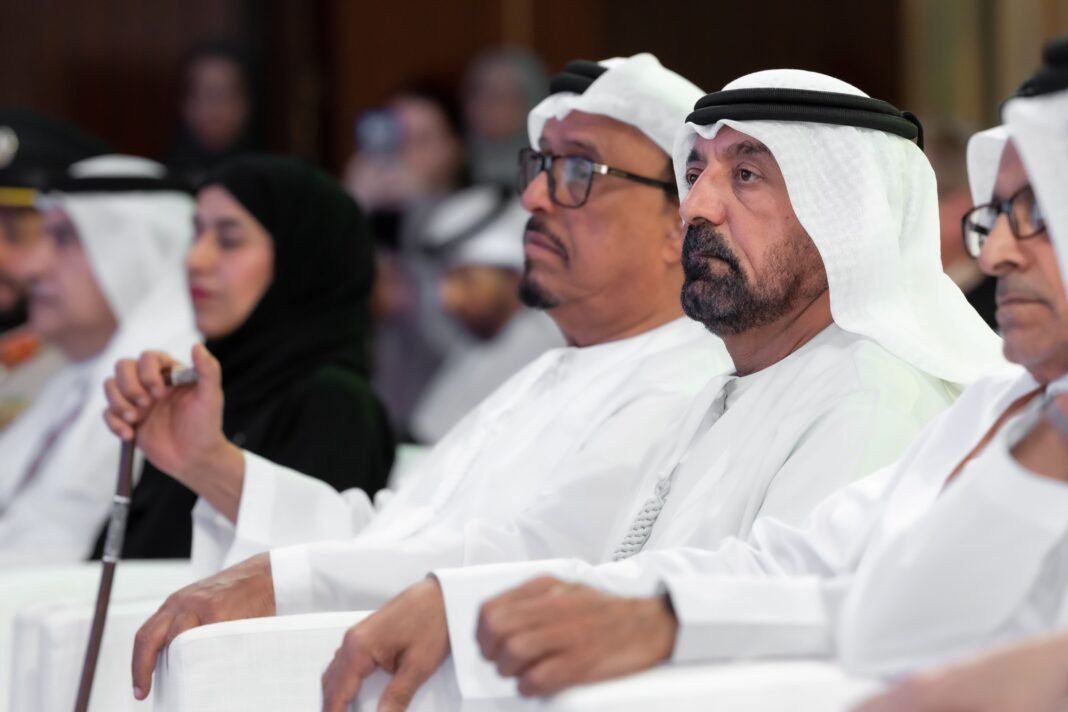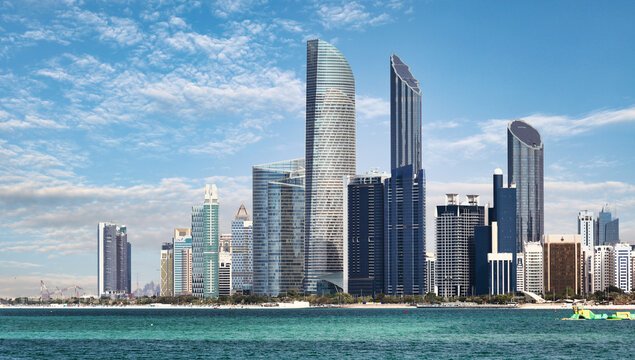

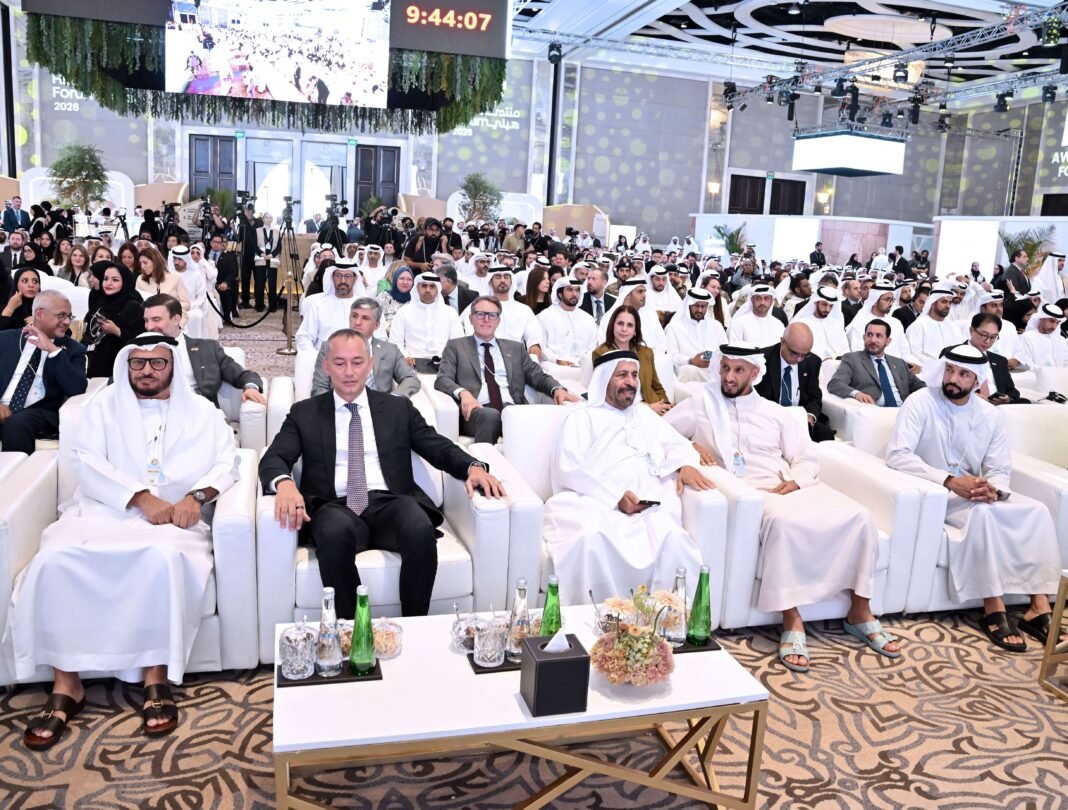
ABU DHABI — Gulf security, diplomacy and the changing global order were in focus Monday as the third Hili Forum opened in Abu Dhabi under the theme “Gulf at Crossroads: Conflict, Consequences and Course Correction.”
The forum, organised by the Emirates Center for Strategic Studies and Research and the Anwar Gargash Diplomatic Academy, brings together senior officials, diplomats, academics and international experts.
The agenda is centred on geopolitics, geoeconomics and geotechnology as the Gulf faces shifting security, energy, trade and technology dynamics.
Anwar Gargash, diplomatic adviser to the UAE president, said the region could not remain indefinitely in a state of “neither war nor peace.”
“Its stability and the future of its people require clarity of vision and direction,” Gargash said in a keynote address.
He called for sustainable stability based on “clear and shared rules,” alongside de-escalation and a long-term diplomatic approach to regional security.
Gargash also called for a clear framework for addressing Iran’s nuclear programme, including conditions, verification mechanisms and consequences for non-compliance.
Sultan Mohammed Al Nuaimi, director-general of the Emirates Center for Strategic Studies and Research, said the international response should move beyond managing the consequences of crises toward recognising the Gulf’s role in global stability.
He said the forum would examine the links between Gulf security, economic activity and trade, as well as ways to strengthen political, legal and economic cooperation.
Nickolay Mladenov, director-general of the Anwar Gargash Diplomatic Academy, said the world was becoming more connected while also experiencing greater fragmentation and a declining ability to resolve conflicts.
“The Gulf has become one of the arenas where the features of the coming international order are being shaped and tested,” Mladenov said.
The first day included a session on Gulf regional security complexes featuring Qatar’s Prime Minister’s Adviser and Foreign Ministry spokesman Majed Al Ansari and retired U.S. Vice Adm. John W. “Fozzie” Miller, former commander of U.S. Naval Forces Central Command and the U.S. Fifth Fleet.
Mladenov and Gulf Cooperation Council Secretary-General Jasem Mohamed Albudaiwi also took part in separate fireside discussions.
The programme included networking sessions involving young people and members of the public, who discussed regional and international issues with experts.
The forum continues Tuesday with sessions on competition for influence in emerging geotechnology, the convergence of data, drones and digital transformation, and the role of middle powers in a changing global order.