
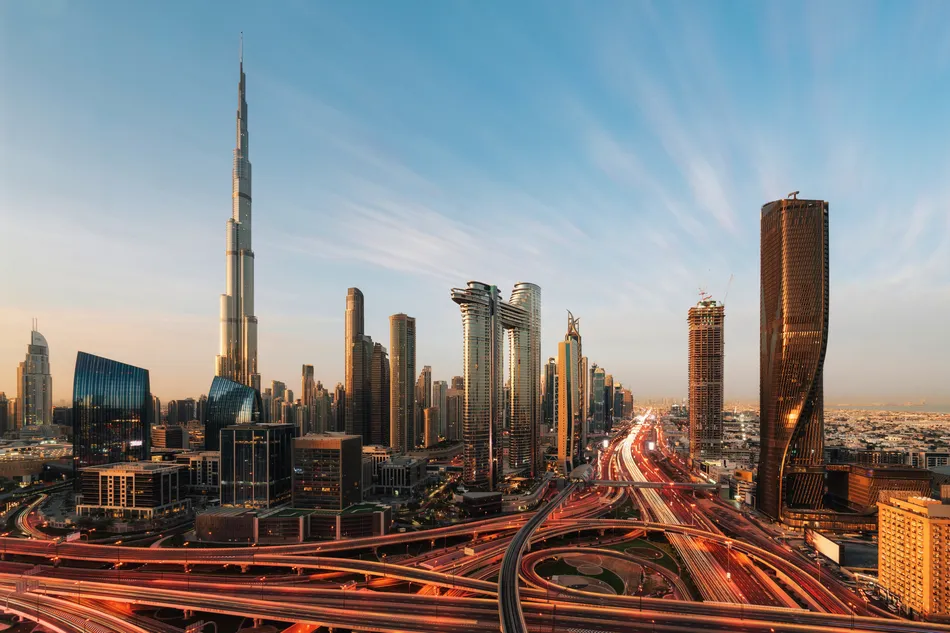
Dubai, United Arab Emirates — Dubai’s population has surpassed 4.74 million residents in 2026, with more than 161,000 people added since the start of the year, according to live population data released by authorities.
The Dubai Population Clock recorded the emirate’s population at 4,741,335 on July 30, marking a continued rise from the 4.58 million residents recorded at the end of 2025.
The figures represent Dubai’s usual resident population, referring to individuals who have lived in the emirate for at least six months or plan to remain for that period.
Daytime population rises above 6.3 million
—Dubai’s daily population expands significantly during working hours as commuters, tourists and short-term visitors enter the emirate.
The average daytime population reaches around 6.39 million, including approximately 1.81 million additional people who are temporarily present for employment, tourism, education, shopping and other activities.
The increase highlights the need for continued planning across transport networks, healthcare facilities, utilities, schools and other public services.
Growth driven by expanding economy and opportunities
Dubai recorded strong population growth in 2025, adding about 332,000 residents during the year.
The emirate’s population increased from approximately 4.24 million at the end of 2024 to 4.58 million by the close of 2025, representing annual growth of about 7.5%.
The rise reflects Dubai’s continued appeal as a global hub for business, investment, tourism and employment.
Residents aged between 30 and 34 represented the largest population group in 2025, accounting for 15.45% of the total population, reflecting the emirate’s large working-age community.
Real-time population tracking system launched
The latest figures come from the Dubai Population Now initiative, a real-time population monitoring system approved by Sheikh Hamdan bin Mohammed bin Rashid Al Maktoum, Crown Prince of Dubai, deputy prime minister, minister of defence and chairman of the Executive Council of Dubai.
Unlike traditional population censuses conducted periodically, the new system uses government records, administrative databases and smart technologies to provide continuous updates.
Authorities use data from multiple sectors, including residency, transport, healthcare, housing, education, tourism and employment, to build a more detailed picture of population movements.
Artificial intelligence, machine learning and predictive analytics are also being used to study demographic patterns and support future planning.
Dubai’s population transformation continues
Dubai’s population has grown dramatically over the past century, increasing from a small coastal settlement into one of the world’s most connected cities.
Historical records show the emirate had around 12,000 residents in 1881. Today, its population is nearly 380 times larger as Dubai continues to attract people from around the world.
The latest population data will support future decisions on infrastructure expansion, urban development and services as Dubai prepares for continued growth.