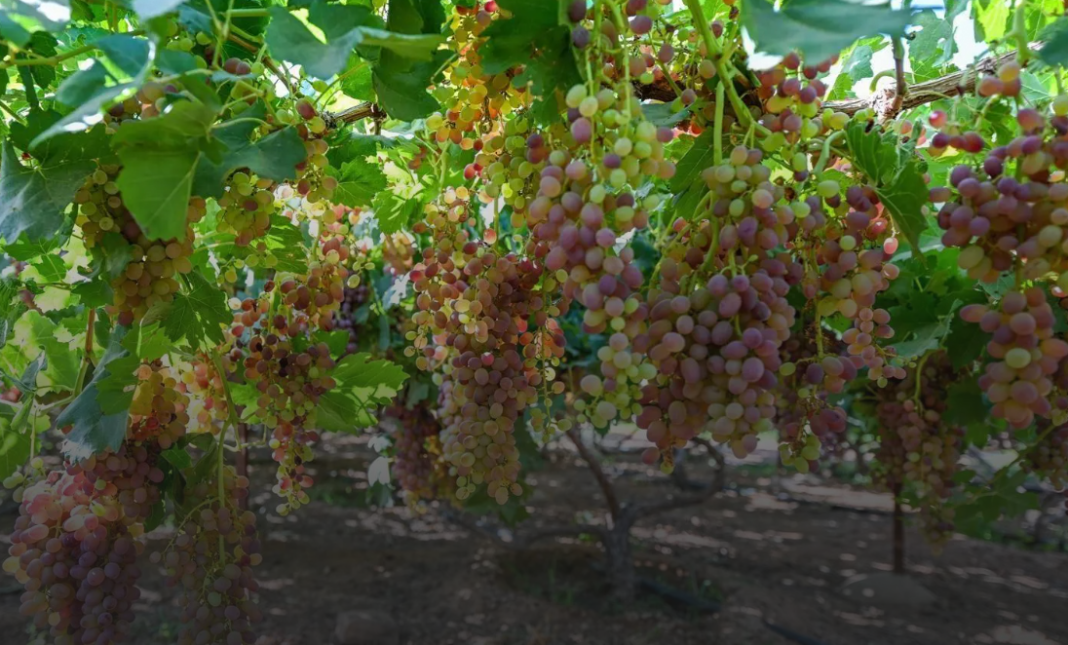
The region’s contribution to national agricultural output is particularly evident in viticulture. Hail ranks third nationwide in grape production, commanding approximately 3,000 cultivated hectares and generating over 12,000 tons annually. This achievement reflects a strategic pivot toward high-value crops suited to the region’s natural conditions, where temperature fluctuations between seasons allow for extended growing periods and enhanced flavor development in table grapes destined for domestic consumption.
Among the region’s pioneering agricultural enterprises is the Anaqeed farm, established in 1982 by the Al-Sudairi family at a time when modern grape cultivation in the Kingdom was nascent. Today, the farm operates 9,000 grapevines across multiple varieties—including Flame Seedless, Red Globe, and locally adapted cultivars—producing approximately 120 tons annually.
Farm owner Ayman Al-Sudairi outlined ambitious expansion plans centered on implementing advanced drip irrigation systems, a technology critical to addressing water scarcity while maximizing yield efficiency. “We’re committed to doubling capacity within five years,” Al-Sudairi stated, noting that the farm’s current harvesting cycle—June through August—aligns with peak domestic demand. Products are distributed across Kingdom markets, with growing interest from regional retailers exploring locally produced alternatives to imports.
The farm’s growth trajectory reflects broader investment patterns in Hail, where stable water access and government incentives for agricultural modernization have attracted both traditional farming families and newer agribusiness ventures seeking to position the Kingdom as a competitive regional supplier.