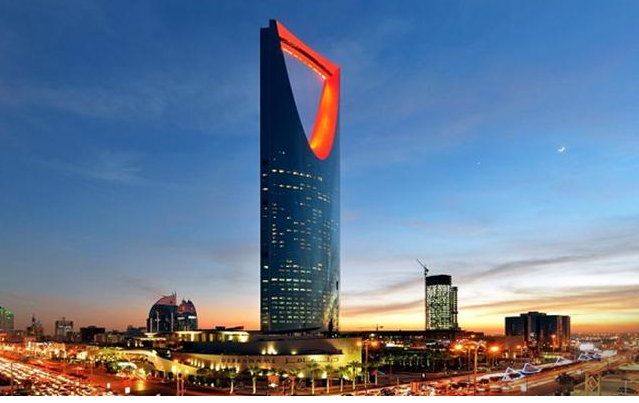
RIYADH, Jan 31 — Saudi Arabia has brought into force a long-awaited law allowing non-Saudis to own real estate in the Kingdom, a move authorities say is aimed at attracting foreign investment and supporting economic diversification under the Vision 2030 reform programme.
The Real Estate General Authority (REGA) said the law took effect on January 22, with applications now being accepted through a unified digital platform known as Saudi Properties, which will serve as the exclusive channel for all ownership requests by non-Saudi individuals, companies and entities.
REGA said the platform is directly integrated with the national real estate registration system, a step intended to enhance transparency, ensure legal certainty and safeguard ownership rights throughout the transaction process.
Digital application system
Under the new framework, the application process varies according to the applicant’s status.
Foreign residents living in Saudi Arabia can apply directly through the Saudi Properties portal using their residency identity number. Eligibility requirements are verified automatically, and the process is completed electronically without the need for physical documentation.
Non-residents outside the Kingdom must begin the process through Saudi embassies or diplomatic missions, where a digital identity is issued. This digital ID allows applicants to access the platform and submit property ownership requests remotely.
Non-Saudi companies and entities without a physical presence in the Kingdom are required to first register with the Ministry of Investment through the Invest Saudi platform and obtain a Unified Number, known as 700. Only after securing this number can they proceed with electronic ownership applications.
Geographic limits and zoning
The law permits non-Saudis to own real estate in various regions of the Kingdom, but ownership in key cities is subject to geographic zoning and regulatory controls.
Riyadh and Jeddah, along with the holy cities of Makkah and Madinah, fall under a special framework based on defined zones. REGA said a Geographic Zones Document outlining areas eligible for non-Saudi ownership is expected to be issued in the first quarter of 2026.
Ownership in Makkah and Madinah remains restricted. Only Saudi companies and Muslim individuals, whether resident or non-resident, are permitted to own property in the two holy cities.
REGA said no specific residential or commercial projects have yet been officially approved for non-Saudi ownership, warning investors against relying on unverified information circulating in the market.
Investment and economic impact
The reform represents a significant shift in Saudi Arabia’s real estate policy and is expected to increase foreign participation in the sector, particularly in residential, commercial and mixed-use developments.
Officials have said the measure is intended to attract foreign direct investment, deepen market liquidity, and support large-scale urban development projects, while maintaining regulatory oversight in sensitive areas.
The move complements other economic reforms, including changes to residency programmes, capital market liberalisation and initiatives aimed at positioning Saudi Arabia as a regional investment hub.
Taxes and financial obligations
Authorities have not announced any special tax exemptions for foreign property owners. Non-Saudis will generally be subject to existing real estate-related charges, including the Real Estate Transaction Tax, currently set at 5% of the property value, unless exemptions apply.
Additional costs may include registration and documentation fees under the national real estate registry, as well as zakat or corporate tax obligations for companies, depending on their legal structure and tax residency.
Further details on fees and potential incentives are expected to be clarified as implementing regulations and zoning rules are finalised.
Shift from previous rules
Previously, foreign ownership of property in Saudi Arabia was limited and often subject to special approvals or restricted to usufruct arrangements rather than full ownership.
The new law establishes a clearer legal basis for ownership, introduces a unified digital application system, integrates ownership records with the national registry and expands eligibility to include non-resident individuals and foreign entities.
Officials said the transition reflects a broader move towards rules-based regulation and increased transparency in the real estate sector.
Outlook
REGA said the rollout of zoning regulations and detailed implementing rules will continue through 2026. Until then, foreign investors have been urged to rely exclusively on official announcements and use the Saudi Properties platform for applications.
The reform marks one of the most significant openings of Saudi Arabia’s property market in decades, signalling a more globally integrated approach to real estate investment while maintaining controls in designated areas.