

Amid the taboo to eliminate sodium intake through bottled water, nutritionist Riham Shamseddine explains that it is completely safe and healthy to consume a moderate amount of sodium to maintain well-balanced diet.
 “Sodium is one of the vital components of water and an important electrolyte in the body that helps in the normal functions of the muscles and nerves and is required for osmotic balance – or water and salt balance – in the body”, said Riham Shamseddine, a Clinical Dietitian and Nutrition Consultant at Right Bite.
With long fasting hours and the intense heat of the summer, it is very important for individuals in Ramadan to take extra precautions when dealing with their water consumption patterns. This will help ensure they remain healthy, hydrated and balanced throughout the holy month.
Shamseddine explained that the over-consumption of sodium mainly comes from food and preserved items such as ready-to-eat-meals, frozen meals, deli meats, cooking stocks and other food items. Therefore; it became a warning label to limit the amount of sodium in our daily intake from food and drinks.
However, a 500ml bottle of natural water from an underground source contains only 10 mg of sodium, and accounts for only 2.6% of the 2300 mg of Sodium recommended by AHA for a healthy adult, taking into consideration an intake of 2-3 liters of water per day.
According to Shamseddine, restricting the sodium intake by severe amounts could potentially lead to hypernatremia (low sodium), which causes symptoms such as muscles cramps, headaches, fatigue, nausea and even more serious conditions such as confusion, hallucinations and decreased consciousness.
Fasting for more than 15 hours a day puts our body in a state of dehydration, as water is critical for a variety of normal and vital functions making 60-70% of our total body weight. “It is highly essential to consume an adequate amount of bottled water during Ramadan to prevent common side effects such as constipation, headaches, dizziness and dry skin”, added Shamseddine.
The adequate intake of fluids as recommended by the Institute of Medicine is equivalent of 3 liters for males and 2.3 liters for females. That said caffeinated beverages such as coffee, tea, and soft drinks do not account in the daily intake of fluids, the nutritionist commented.
It is always important to balance your dietary intakes, which include adequate amount of bottled water, and not consuming excessive processed foods, to maintain healthy blood pressure level and body functions, Riham advised.
The nutritionist is recommending the below top guidelines to help minimize thirst, stay hydrated and minimize the risk of water retention during Ramadan:
- Ensure adequate consumption of fluids from the time of breaking the fast until Suhoor
- Divide your water intake from Iftar to Suhoor instead of consuming it all at once
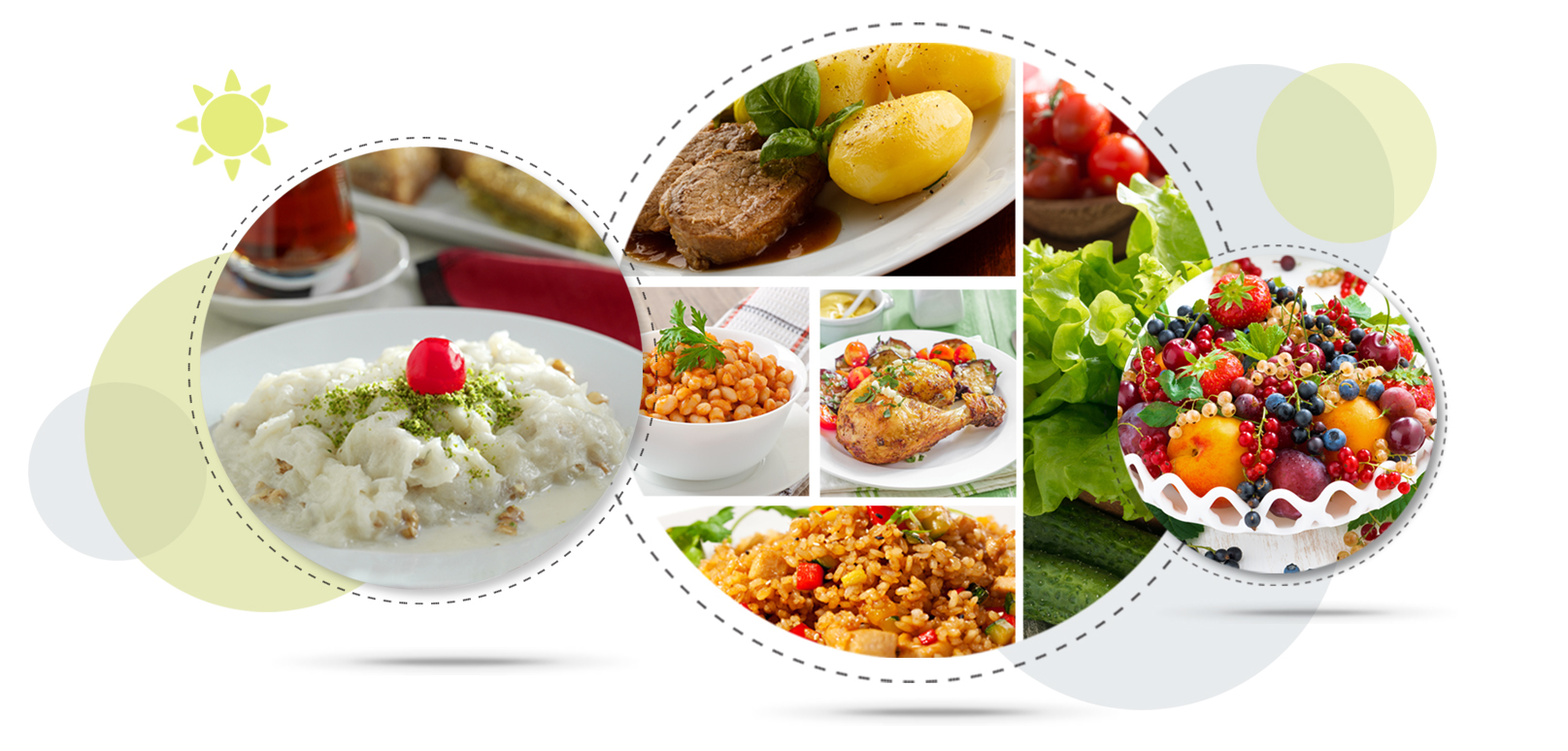
- Consume fruits and vegetables that contain high amounts of water like green leafy vegetables, celery, cabbage, zucchini, cucumber, watermelon, sweet melon, oranges and citrus fruits.
- Limit the total intake of sodium to less than 2300 mg per day as recommended by the American Heart Association
- It is also important to re-hydrate well with bottled water after any exercise or physical moderate-intensity effort to replenish the Sodium losses through sweat
- Our body might retain fluid if we are abstaining from drinking water for prolonged periods or time, and this might affect the kidney, heart and cause many health complications. That said it is very important to hydrate with the appropriate amount of water and avoid fluid retention

