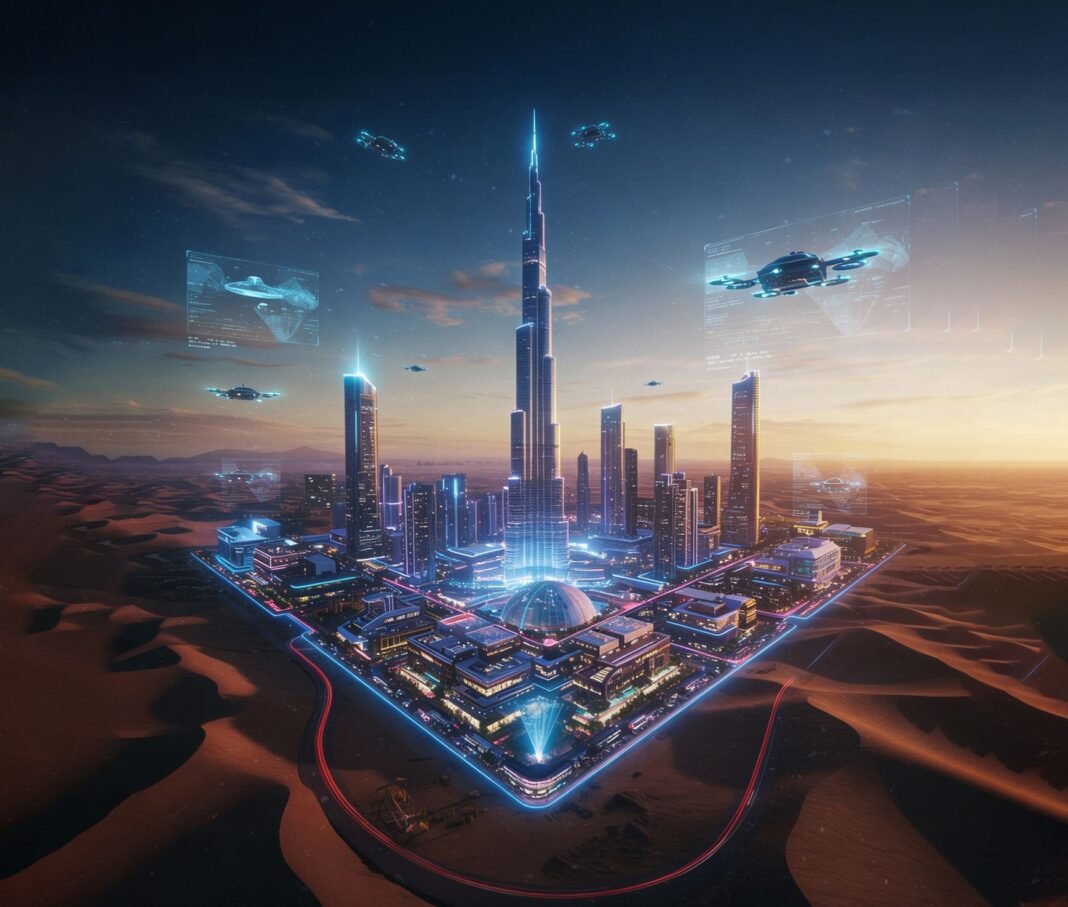
ABU DHABI, Jan 21, 2026 (AFP) — The United Arab Emirates has increasingly relied on digital technology and artificial intelligence to support the growth of its tourism sector, as part of a broader strategy to diversify the economy and attract investment.
Authorities say the sector’s expansion has been underpinned by large-scale investment in digital infrastructure, including high-speed fibre-optic networks and advanced telecommunications systems, which have enabled the rollout of smart services across tourism and hospitality.
Digital tools are now widely used across the visitor journey, from visa applications and bookings to transport and hotel services. Smart visas, biometric systems and digitised facilities have been introduced to speed up procedures and manage visitor flows, while real-time data platforms provide information to travellers.
Tourism operators have increasingly adopted artificial intelligence, data analytics and mobile-based services to personalise offerings and improve efficiency. Official digital platforms such as Visit Abu Dhabi, Visit Dubai, Visit Sharjah, Visit Ajman and Visit Ras Al Khaimah are used to promote destinations and manage visitor engagement.
Technology has also reshaped the hospitality sector, with cloud-based systems, contactless check-in and mobile services becoming more common. According to official figures, about 39 percent of hospitality operators in the UAE now use chatbots or virtual assistants to handle routine guest enquiries and administrative tasks.
Digital transformation is a core element of the National Tourism Strategy 2031, which includes continued investment in aviation, transport networks and infrastructure upgrades, alongside the adoption of digital travel solutions aimed at facilitating cross-border mobility.
In Abu Dhabi, authorities are working towards automating government operations through artificial intelligence by 2027, supported by investment in digital infrastructure. Projects such as biometric-based travel systems at Zayed International Airport aim to reduce passenger processing times.
Dubai has also expanded digital services across tourism and hospitality, including paperless government services, 5G networks and digital hotel check-in systems. Biometric authentication allows returning visitors to complete check-in procedures within seconds, reducing waiting times and improving operational efficiency.
Dubai’s Department of Economy and Tourism has also partnered with Mastercard to support small and medium-sized enterprises in the tourism sector by providing access to digital tools, mentoring and payment technologies, as part of efforts to encourage innovation and competitiveness.
Officials say the growing use of digital systems has improved efficiency across tourism operations and aligned services with the expectations of international travellers, while supporting the UAE’s ambition to position itself as a leading global destination.