RIYADH — Saudi Arabia’s summer season is offering visitors more than cooler mountain escapes. Across the Kingdom, bustling date farms, fruit orchards and vibrant cultural festivals are drawing travelers eager to experience the country’s agricultural traditions alongside its growing tourism attractions.
From the fertile farms of Qassim to the colorful streets of Abha, the season reflects Saudi Arabia’s efforts to combine its rich heritage with new visitor experiences as part of its tourism and economic diversification strategy under Vision 2030.
Qassim’s date season begins
In the heart of Saudi Arabia, farmers in Qassim Region have begun harvesting the first varieties of dates, marking the start of one of the Kingdom’s most important agricultural seasons.
Known as Saudi Arabia’s date capital, Qassim is home to millions of date palms and remains one of the country’s leading producers. Activity has intensified across farms as growers prepare for harvesting, packaging and marketing the crop.
Farmer Abdulaziz Al-Tuwaijri said the annual harvest is eagerly anticipated by producers because it generates significant economic activity while attracting buyers from across the Kingdom.
The region’s signature Sukkari variety accounts for about 76% of total production, followed by Medjool, Sagai and Khalas. Harvesting of premium Sukkari dates begins around July 20, while the official date season opens in early August. Industry experts say the first three weeks of August offer consumers the best opportunity to purchase fresh, high-quality dates for both immediate consumption and long-term storage.
 Local figs gain popularity
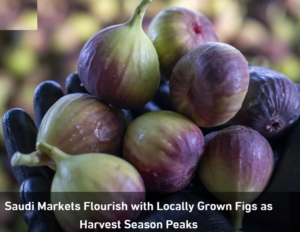
Elsewhere, Saudi markets are filling with locally grown summer fruits as the harvest season reaches its peak.
The Ministry of Environment, Water and Agriculture said fig production now exceeds 29,600 tons, highlighting the crop’s growing role in strengthening domestic food security.
More than 565,000 fruit-bearing fig trees are cultivated across the Kingdom, producing popular varieties such as Brown Turkey, Sultani, Spanish Yellow and Spanish Black.
Beyond fresh consumption, Saudi-grown figs are increasingly used in juices, confectionery, ice cream, cosmetics and health products, creating added value for farmers while supporting the country’s agricultural diversification goals.
Abha draws summer crowds
While central Saudi Arabia celebrates its harvest, the cooler highlands of Aseer Region are welcoming thousands of visitors seeking relief from the summer heat.
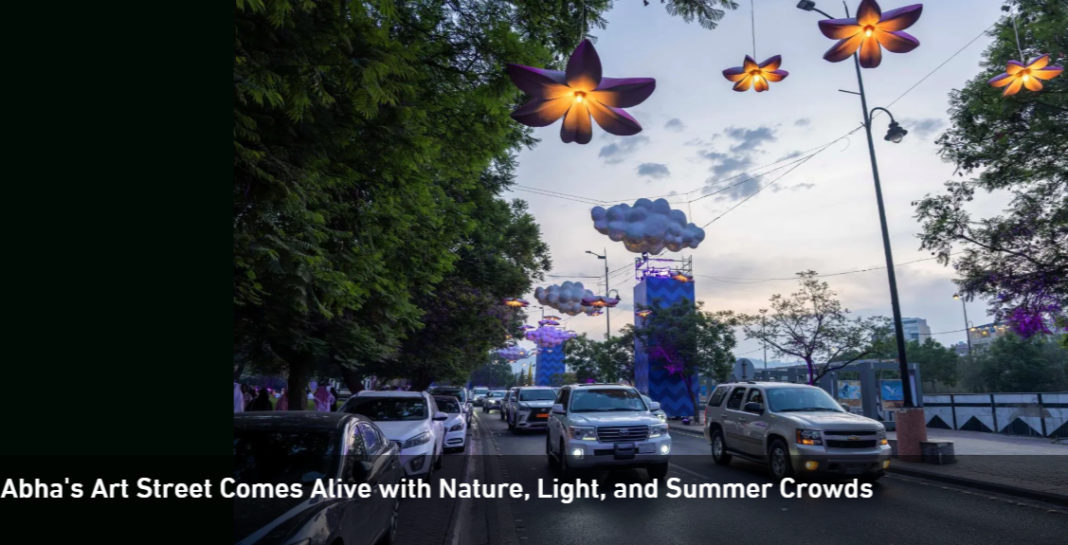
Art Street in Abha has emerged as one of the season’s most popular attractions, with families, tourists and photographers flocking to its illuminated walkways and public spaces.
Decorated with suspended cloud- and flower-inspired light installations, colorful trees and interactive art displays, the destination transforms into a lively open-air venue after sunset.
Visitors fill cafés, restaurants and entertainment areas well into the evening, while many capture the colorful scenery against Abha’s cool mountain backdrop.
The attraction forms part of the Aseer Summer Season 2026, a program of cultural, entertainment and tourism events designed to showcase the region’s mild climate, mountain landscapes and creative attractions.
Together, the harvests in Qassim, the abundance of locally grown fruit and the vibrant atmosphere in Abha illustrate how Saudi Arabia is increasingly blending agriculture, culture and tourism into experiences that appeal to both residents and international visitors.
As the Kingdom continues investing in tourism under Vision 2030, these seasonal attractions are helping showcase a different side of Saudi Arabia—one where farm traditions, local flavors and mountain festivals come together to create memorable summer journeys.- With inputs from SPA