
It was a painful day for Brazil and its global fan base when the five-time champions were eliminated from the World Cup. The disappointment was understandable. Few expected a team long associated with excellence and flair to bow out so early. For many Brazilian supporters, the defeat felt like a shock that had arrived far too soon.
Thousands of miles away in Kerala, however, the emotion took on a different shade.
Brazil fans were naturally devastated by their team’s exit. But many also found themselves hoping Argentina would suffer a similar fate. The feeling had less to do with football and more to do with rivalry — and with the wave of memes and online taunts that had targeted Neymar throughout the tournament.
In the digital age, memes are now part of football’s emotional currency. Even before Brazil’s elimination, many had already been prepared, ready to be deployed the moment the final whistle blew. Social media quickly filled with jokes, satire and mockery, much of it from jubilant Argentina supporters. For Brazilian fans, the wounds ran deep.
They then waited for Argentina’s next match, hoping for an early exit that would offer some measure of revenge. But Argentina held on, denying Brazil supporters that satisfaction, at least for the time being.
Football occupies a unique place in Kerala’s cultural landscape. Neither Kerala nor India has ever had a regular presence at football’s highest level, and the country has yet to establish itself as a World Cup force. Yet that absence has done nothing to weaken the state’s devotion to the game.
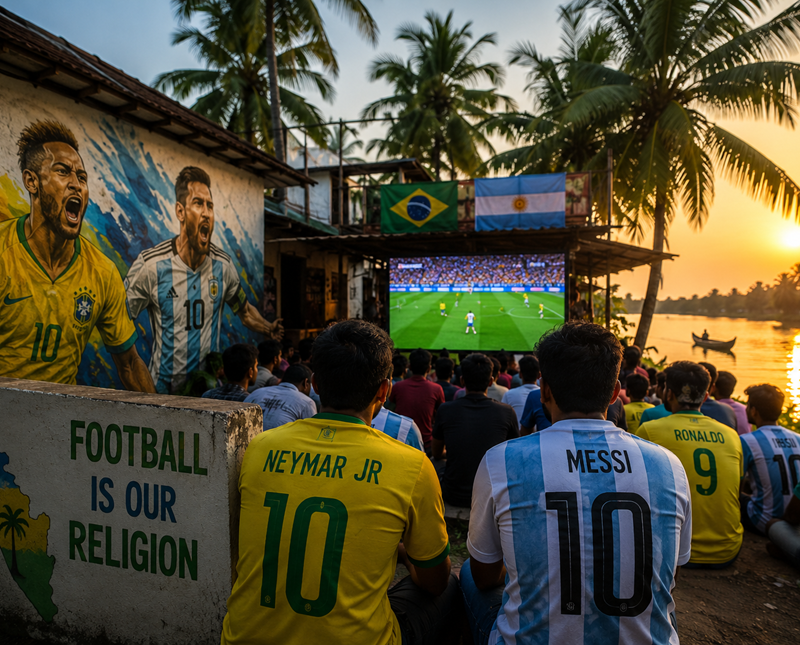
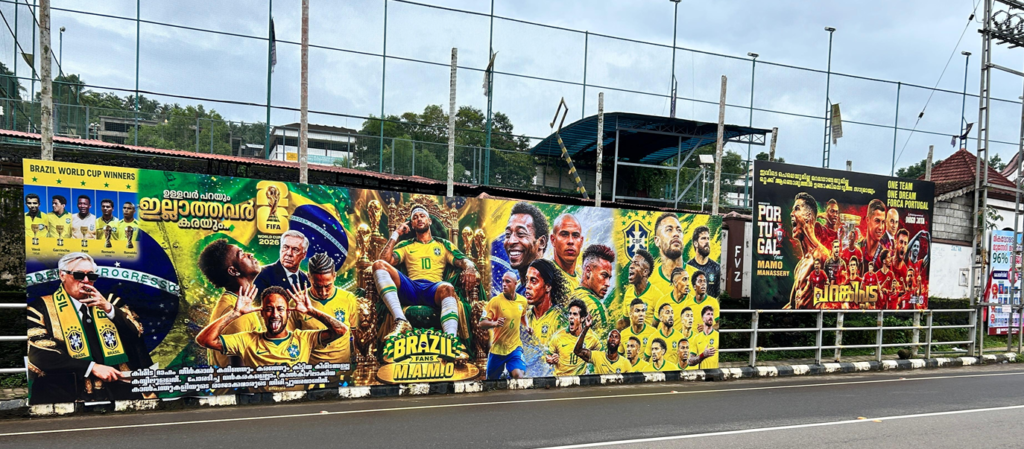
Travel through Kerala during a World Cup and the signs are impossible to miss. Roadsides are lined with giant cutouts, banners and flex boards featuring international stars, often paired with witty slogans and local political humour. Images of Lionel Messi, Neymar and Cristiano Ronaldo appear everywhere — in villages, towns and even on riverbanks.
It is only half a joke to say that if fan passion could win trophies, Kerala would already be a multiple-time world champion.
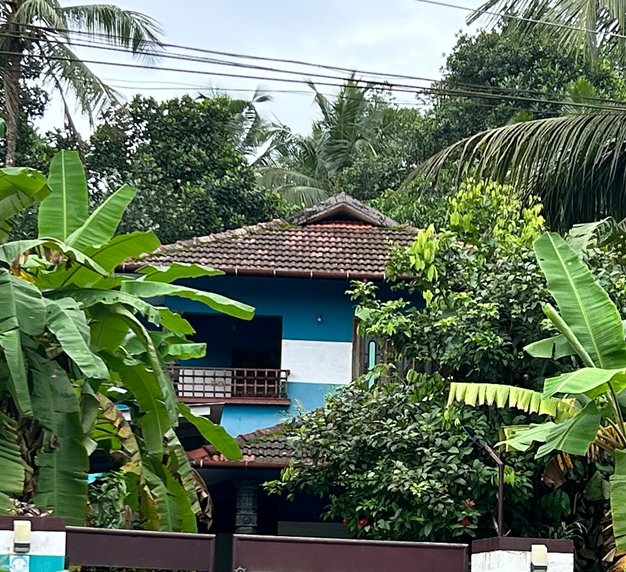
What makes this phenomenon striking is its lack of any obvious geographic or cultural link. Kerala shares neither language nor region with Brazil or Argentina. Malayalam speakers have little direct social connection with Latin America, and migration from Kerala has traditionally been directed toward the Gulf, Europe and North America rather than South America.
So what explains the bond?
The answer lies in football itself.
For generations, Kerala’s football imagination has been shaped by icons such as Pelé and Diego Maradona. Their brilliance transcended borders and inspired legions of admirers. Over time, admiration for the players became loyalty to the nations they represented.
Football arrived in India during the colonial period, but in Kerala it took root with unusual intensity. Other states, including West Bengal and several northeastern regions, also developed strong football cultures. But Kerala’s connection to the game is distinct.
Here, football is not just a sport. It is a shared language, handed down across generations. Children can name players, formations and coaches with ease. In tea shops and neighbourhood gatherings, football is debated with the same seriousness that politics often commands elsewhere.
That devotion was evident in the state’s high-profile but ultimately unsuccessful effort to bring Lionel Messi and the Argentina team to Kerala for an exhibition match. Backed by a private sponsor, the project generated enormous excitement, though stadium and approval delays prevented it from materialising as planned. Even so, the episode reflected the scale of Kerala’s football culture.
Cricket may dominate much of India, and the country has celebrated its share of World Cup success in that sport. But in Kerala, football still holds a special place in the public imagination. The rise of artificial turfs has only strengthened that bond, making the game more accessible to young players while also supporting a growing local sports economy.
Kerala’s relationship with football ultimately defies neat explanation. It is a passion built on memory, identity and admiration, not geography. More than anything, it shows how sport can bind people to distant heroes, unfamiliar cultures and imagined victories that feel deeply personal.

O.Umarul Farooque is a Kerala-based senior journalist and writer.