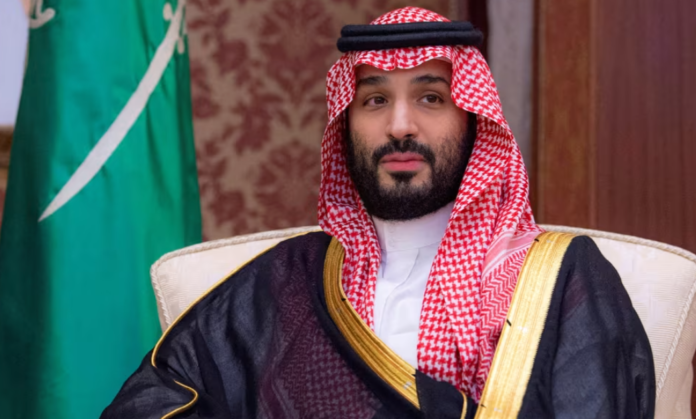


RIYADH, Saudi Arabia 29,Jan (GDM) — Saudi Crown Prince Mohammed bin Salman received a telephone call Tuesday from Iranian President Masoud Pezeshkian, during which the crown prince reaffirmed that the kingdom will not allow its airspace or territory to be used for military actions against Iran.
The call, reported by the official Saudi Press Agency, came as tensions escalated in the Persian Gulf over Iran’s nuclear program and U.S. military positioning in the region.
Pezeshkian briefed the crown prince on recent developments in Iran, including government efforts and updates on nuclear negotiations. Crown Prince Mohammed bin Salman emphasized Saudi Arabia’s respect for Iran’s sovereignty and stressed support for resolving disputes through dialogue to promote regional security and stability.
Pezeshkian expressed appreciation for Saudi Arabia’s position on Iran’s sovereignty and territorial integrity, as well as for the crown prince’s initiatives toward regional stability.
The diplomatic outreach unfolded against a backdrop of heightened risks, with the USS Abraham Lincoln carrier strike group now operating in the U.S. Central Command area of responsibility, including waters near the Gulf, amid U.S. buildup. President Donald Trump has repeatedly warned Iran to negotiate a nuclear deal with “no nuclear weapons” or face a U.S. attack “far worse” than previous strikes, posting that “time is running out” and describing a U.S. “armada” as ready to act with force if necessary.
Iran has rejected negotiations under threats, vowing an unprecedented response to any aggression, with officials warning that attacks would target U.S. interests, allies and potentially Israel. Tehran has denied requesting talks while expressing openness to equitable diplomacy free of coercion.
Gulf states, including Saudi Arabia and the United Arab Emirates, have publicly ruled out allowing their territory or airspace for strikes on Iran, lobbying against escalation that could draw retaliation and disrupt the region. Major Gulf stock markets fell Thursday on fears of U.S. military action, with concerns that Gulf nations could face Iranian reprisals first.
Oil prices have risen amid the jitters, and shipping in parts of the Persian Gulf has slowed due to perceived risks. Regional powers continue to push for de-escalation through diplomacy rather than confrontation.