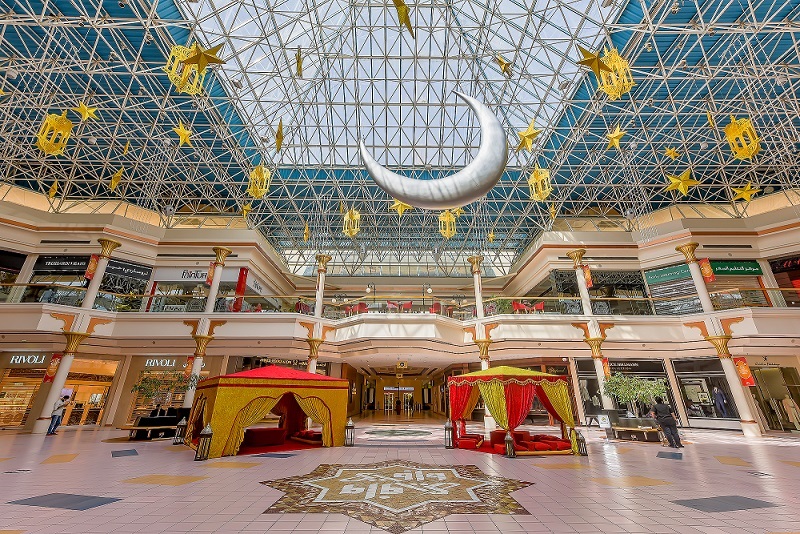

ABU DHABI, United Arab Emirates: Ramadan 2026 is expected to begin around February 18–19, 2026 (most astronomical forecasts and official predictions point to Thursday, February 19 as the likely start, depending on the moon sighting confirmed by the UAE Moon-Sighting Committee). The holy month typically lasts 29–30 days, ending around mid-March with Eid Al Fitr.
For the millions of expats in the UAE, Ramadan brings welcome changes to daily routines—especially shorter working hours in both private and public sectors. These adjustments help everyone (Muslim and non-Muslim alike) manage energy levels, family time, and the cultural rhythm of the month, even if you are not fasting.
These reduced hours are not optional goodwill gestures—they are legally mandated under UAE labour law.
Why Working Hours Change During Ramadan
Ramadan is a time of fasting (from dawn to sunset), extra prayers, reflection, and family gatherings for Muslims. To support well-being and allow time for these observances, UAE authorities require employers to shorten workdays. This applies across the board, regardless of your religion or whether you fast.
Private Sector: Mandatory 2-Hour Reduction (Applies to Almost All Expats)
Most expats work in the private sector under the Ministry of Human Resources and Emiratisation (MoHRE).
- Standard rule: Daily working hours are reduced by two hours throughout Ramadan.
- Example: If your normal workday is 8 hours, it becomes 6 hours during Ramadan.
- Key point: This applies to all employees—Muslim, non-Muslim, fasting or not. It is a workplace regulation, not a religious exemption.
- Flexibility: Many companies offer remote work, staggered start/end times, or hybrid arrangements—as long as the total daily hours stay reduced.
- Your rights: If your employer insists on full normal hours, they are not complying with the law. You can report this to MoHRE (via their app, hotline 800 60, or website). Extra hours worked beyond the reduced limit are treated as overtime and must be paid at a premium (at least 25% extra).
Government / Public Sector: Even Shorter Hours + Extra Flexibility
Federal government employees (and many emirate-level public sector workers) follow schedules set by the Federal Authority for Government Human Resources (FAHR).
- Typical hours during Ramadan 2026:
- Monday to Thursday: 9:00 AM – 2:30 PM (about 5.5 hours)
- Friday: 9:00 AM – 12:00 PM (shorter to accommodate Jummah prayer and family time)
- This represents a reduction of roughly 3–3.5 hours on weekdays and 1.5 hours on Fridays compared to normal schedules.
- Many departments allow remote work on Fridays (up to 70% of staff in some cases) and flexible options where service delivery is not affected.
Schools and Family Life: Shorter Days for Kids Too
If you have children in school:
- Most private and public schools shorten daily hours (often limited to 5 hours max, e.g., ending by 1:00–2:00 PM).
- Fridays frequently shift to distance learning or very short in-person sessions (90–150 minutes).
- Some weeks include extended holidays or reduced in-person days to ease family routines during Ramadan.
Other Everyday Changes Expats Should Expect
- Public services (e.g., government offices, some malls, restaurants) adjust opening times.
- Traffic & commuting: Roads are quieter during fasting hours, but evenings (after Iftar) see more activity.
- Salik tolls, parking, and public transport often adapt timings.
-
Restaurants & cafes: Many remain open but with adjusted hours; delivery services stay active.
Quick Summary for Expats in 2026
- Private sector → Expect 6-hour workdays (2-hour reduction) — legally required.
- Government sector → Typically 9:00 AM – 2:30 PM (Mon–Thu) and 9:00 AM – 12:00 PM (Fri).
- Schools → Shorter days + some distance Fridays.
- Your rights → Protected under law. Non-compliance can be reported.
- Overall vibe → A slower, more family-oriented pace—perfect for recharging, exploring iftar experiences, or simply enjoying the calm daytime atmosphere.
Ramadan in the UAE beautifully balances cultural respect with modern work life. Whether you observe the fast or not, these changes give everyone more time to enjoy the month’s special energy.
If your company announces anything different, check directly with MoHRE or your HR team. Official updates are usually released in early February.
Wishing you a peaceful and enjoyable Ramadan 2026!