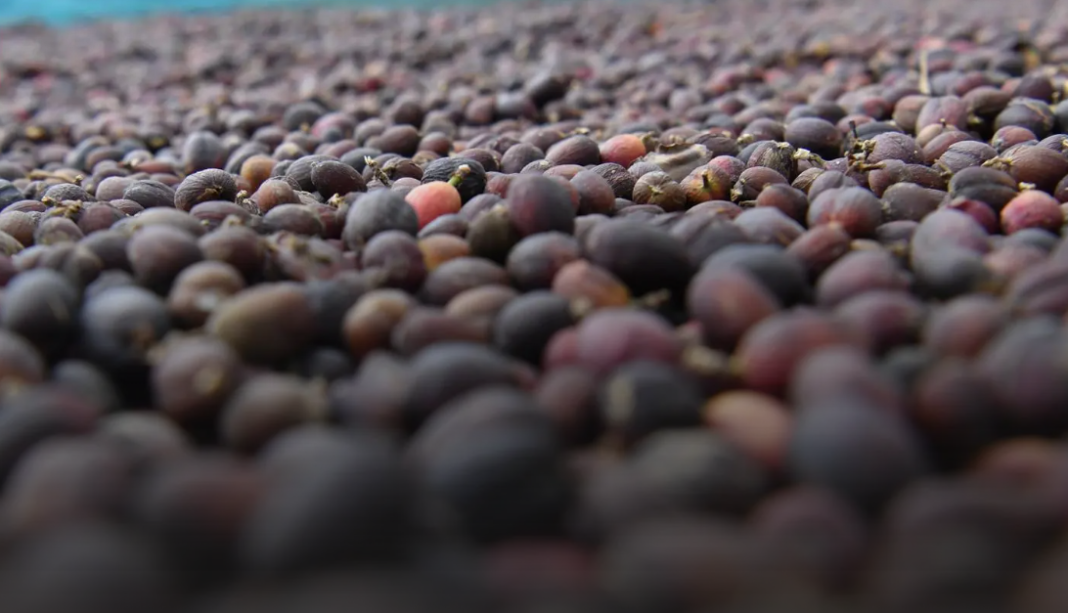
JAZAN, Saudi Arabia – High in the terraced mountains of southwest Saudi Arabia, farmers have been growing coffee the same way for the better part of eight centuries. The Khawlani bean — oily, aromatic, unlike anything produced elsewhere in the Arab world — has been harvested, dried and roasted in these highlands since long before the kingdom existed. For generations, the knowledge passed from father to son without ceremony, taught through the hands rather than the classroom.
Now, those same hillsides are drawing visitors. Jazan’s coffee farms are being repositioned as one of Saudi Arabia’s most distinctive rural tourism experiences, and the transformation is moving quickly.
With its mountain farms and farming culture, Jazan is fast becoming one of Saudi Arabia’s most distinctive ecotourism sites — where travellers can now pluck coffee cherries, witness traditional roasting techniques and even camp out amid picturesque mountain ranges. The shift is deliberate and government-backed, driven by the Ministry of Environment, Water and Agriculture and the Sustainable Agricultural Rural Development Program, which have worked to introduce eco-friendly infrastructure while preserving the character of the farms themselves.
The additions are tangible. Panoramic viewing platforms now overlook the stepped terraces. Mountain cabins offer overnight stays. Digital guides have been introduced for visitors unfamiliar with the region’s agricultural traditions. Specialised workshops and rural cafes have taken root across the plantations, turning individual farms into cultural destinations where a visitor can spend a full day — or several.
A heritage with deep roots
The backdrop to all of this is a coffee culture that runs genuinely deep. The highlands of Jazan have long produced the rare, high-quality Khawlani coffee beans, and the region’s agricultural knowledge and practices have been recognised by UNESCO as intangible cultural heritage. That inscription, secured in November 2022, gave the region’s farming traditions formal international standing — and arrived at a moment when the kingdom was already paying serious attention to its coffee sector.
Known as the ‘fruit basket’ of Saudi Arabia, the Jazan region is home to a network of over 2,000 coffee farms producing more than 1,000 tons of coffee annually.The farms are concentrated across several mountain governorates — Al Dayer, Fifa, Al Raith, Al Ardah and Al Aidabi — with Al-Dayer alone accounting for nearly 65 per cent of total production. In Al-Dayer governorate, 994 farms embrace more than 218,000 coffee trees, producing more than 600,000 kilos of Khawlani coffee per year.
For years, the sector struggled with the same pressures facing smallholder agriculture everywhere — water scarcity, limited market access and an ageing farming population. Growing these beans has been an art passed down from one generation to the next, with the Saudi coffee bean regarded as a cultural treasure known for its distinct scent and delicious taste.But the economics didn’t always keep pace with the heritage.
Vision 2030 and a coffee renaissance
The turning point came with Saudi Arabia’s wider tourism and economic diversification push. Saudi Arabia named 2022 the Year of Saudi Coffee, and the Saudi Coffee Company — a wholly owned subsidiary of the Public Investment Fund — was set up that year to lead growth in the industry. The company’s ambitions are significant: a next-generation model farm spread across one million square metres aims to grow five million coffee trees by 2030, with production capacity targeted to rise from 300 to 2,500 metric tonnes annually.
The Jazan Mountains Development Authority has distributed over one million coffee seedlings to farmers in recent years, providing training, guidance and contemporary farming techniques alongside the broader infrastructure investment. These initiatives have not only improved yields and reduced waste but also led to the creation of innovative new varieties, such as the complex, richly flavoured Maghmoul bean developed by a local farmer.
The tourism dimension sits alongside — and increasingly feeds into — this production story. By turning the farms themselves into destinations, the model creates a second income stream for farming families without requiring them to abandon what they do. A farmer who can charge visitors to participate in a harvest, sell a cup of traditionally roasted coffee from a hillside café and host a workshop on drying techniques is no longer entirely dependent on bean prices or yield seasons.
What visitors actually find
The experience Jazan is selling is genuinely differentiated from the resort and city tourism Saudi Arabia has prioritised elsewhere. The government has been careful to turn these farms into tourist destinations while preserving their traditional aspects — with eco-friendly infrastructure introduced alongside the authentic farming environment.
For a country building one of the most ambitious tourism programmes in the world, the mountain coffee farms offer something that Neom’s futurism and the Red Sea’s beaches cannot: genuine antiquity. Even today, over 80 per cent of Saudi households serve coffee daily in the traditional manner, and more than 90 per cent believe that offering coffee to guests is not merely a gesture of hospitality but a moral obligation. In Jazan, visitors don’t observe that culture through a museum display — they encounter it on working land, in the company of families who have farmed the same terraces for generations.
“Coffee is deeply rooted in our heritage. It’s the symbol for hospitality, for generosity. For us, coffee is a cup of culture that can travel from the local farmer to the rest of the world,” said Mohammed Zainy, marketing director of the Saudi Coffee Company — a line that doubles neatly as the pitch for Jazan’s emerging tourism identity.
Whether the infrastructure keeps pace with that ambition will determine how far this goes. The farms are there. The story is compelling. The question now is whether Jazan can turn a well-kept regional secret into a stop on the Kingdom’s main tourism trail — without, in the process, making it feel like one.
Jazan’s coffee farm tourism is supported by the Ministry of Environment, Water and Agriculture and the Sustainable Agricultural Rural Development Program, in line with Saudi Vision 2030.
(With inputs from SPA)