

By Mizanur Rahman
DHAKA, Feb 03,2026 -Asia is heading into a watershed electoral year in 2026, with pivotal polls in Thailand, Japan and Bangladesh that could reshape political landscapes and challenge long‑standing power structures.
In Thailand, a general election on Feb. 8 marks the first contest under a constitutional framework that limits the military‑appointed Senate’s influence in choosing the prime minister, a change opponents hope will curb the army’s political sway. Progressive and establishment‑aligned parties alike are vying for influence amid simmering public discontent over economic stagnation and governance issues.
Japan’s snap general election, also set for Feb. 8, comes just months after Prime Minister Sanae Takaichi formed a new coalition following her ascent to party leadership. The ballot tests voters’ support for her ruling Liberal Democratic Party amid concerns about inflation, wage stagnation and internal political fractures, with opposition groups seeking to capitalize on declining approval ratings.
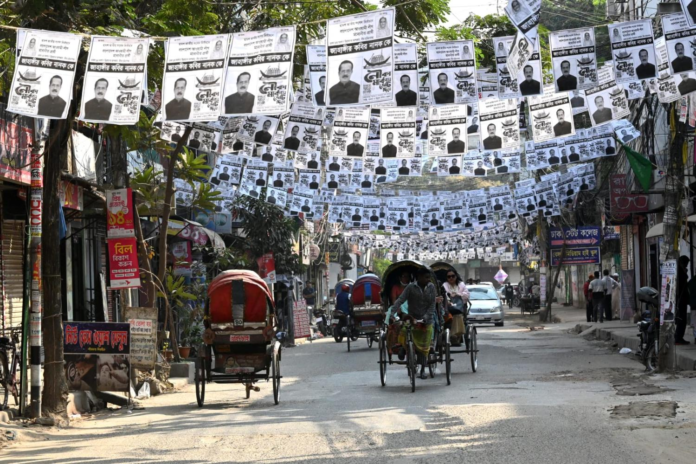
In Bangladesh, nationwide elections are scheduled for Feb. 12 alongside a constitutional referendum, representing the country’s first national vote since the mass uprising that ousted its former leadership. The interim government led by Muhammad Yunus will oversee the polls without the participation of the former ruling party, creating a bipolar contest chiefly between the Bangladesh Nationalist Party and an alliance led by the National Citizen Party and Jamaat‑e‑Islami.
Analysts say these elections reflect broader public demands for accountability, reform and economic opportunity, even as they heighten political uncertainty across the region.