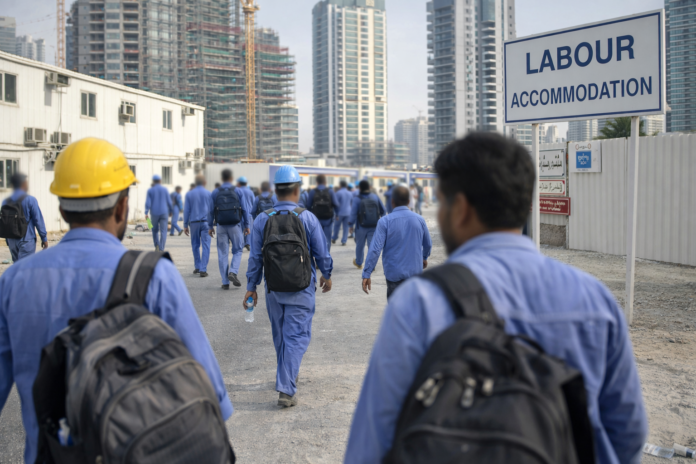

NEW DELHI, India: Gulf Cooperation Council (GCC) countries have undertaken substantial labour market reforms in recent years to modernize regulatory frameworks and enhance protections for expatriate workers, including the large Indian communities contributing significantly to regional development.
Saudi Arabia introduced its Labour Reform Initiative in 2021, facilitating greater job mobility for eligible foreign workers through regulated employer transfer mechanisms and digital exit and re-entry systems. The reforms form part of broader economic modernization efforts under national development strategies.
The United Arab Emirates has strengthened its Wage Protection System and expanded digital employment contracting processes to ensure timely salary payments and efficient dispute resolution. Bahrain and Oman have also advanced labour and social protection frameworks, including unemployment insurance and employment injury coverage.
India remains one of the largest expatriate communities across the GCC. According to official data presented by the Government of India in Parliament, Indian nationals residing in GCC countries account for a significant share of overseas Indian workers. Indian diplomatic missions in the region regularly coordinate with host authorities to address labour grievances, facilitate repatriation when required, and provide welfare support through established mechanisms.
Host governments across the GCC have reiterated their commitment to improving workplace standards and ensuring compliance with national labour regulations. Ongoing cooperation between India and GCC states continues through established diplomatic channels to safeguard worker welfare while supporting economic growth and infrastructure development.