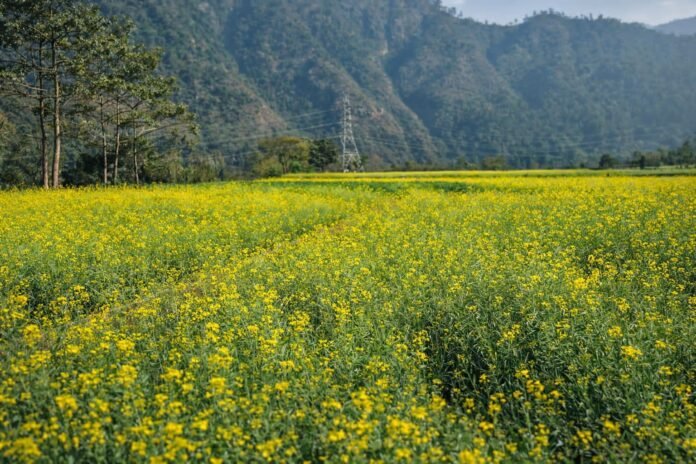

KATHMANDU– Nepal: As winter gently retreats from the hills of Benighat, the air carries the fresh, pungent scent of blooming mustard fields. The chill lingers, but the Himalayan foothills are already stirring in anticipation of summer.
For the small Muslim community in this quiet village along the Trishuli River in Dhading District—about a three-hour drive (75–85 km) west of Kathmandu—the arrival of Ramadan brings a special busyness. Far from the bustling crowds and vibrant religious fervor of Kathmandu Valley, Benighat remains a sleepy, rustic settlement. The scenic road journey from the capital offers refreshing views of Nepal’s terraced hills, winding rivers, and green valleys—popular among travelers for Trishuli River rafting and panoramic mountain vistas.
Though Muslims form a small minority in Hindu-majority Nepal, the residents here feel no alienation—unlike in some neighboring countries. They are very much at home. During 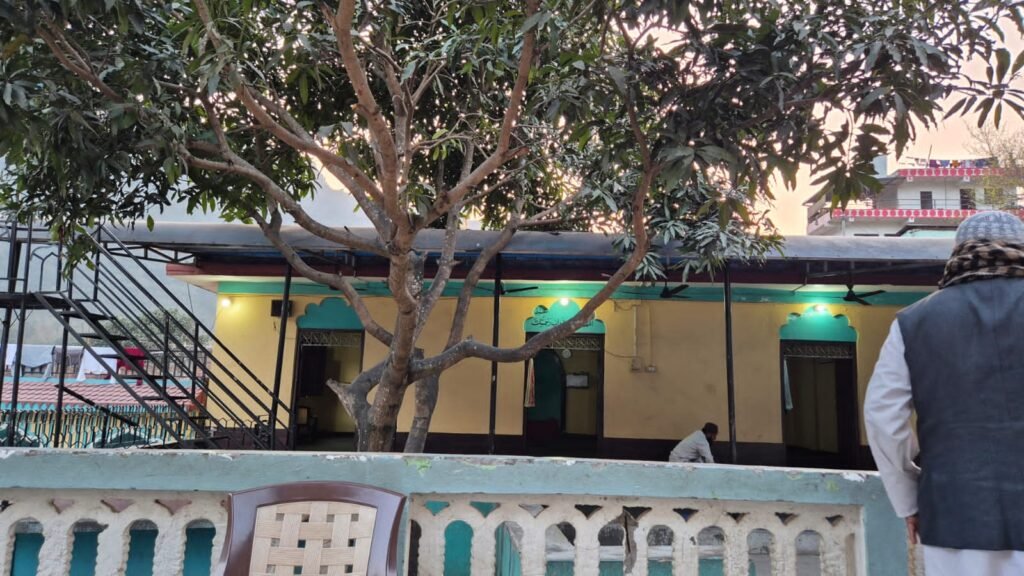 Ramadan, a quiet spiritual mood prevails, marked by day-long fasting and devoted prayers. Nepali Muslims generally observe the month with dawn-to-dusk fasting, increased prayers, and community gatherings; in urban areas like Kathmandu, hundreds join mass Friday prayers at mosques such as the Kashmiri Mosque. In remote hills like Benighat, however, practices echo rural modesty—limited halal options, no public adhan call, and a focus on balancing work with rituals—while charity (zakat) supports local orphanages and madrassas.
What stands out is the modesty of their Iftar in these Himalayan foothills. There are no grand aspirations, only quiet contentment with modest means, much like the surrounding landscape. Most villagers earn their living through farming, livestock rearing, and small trades—often as bangle sellers or shopkeepers with limited incomes.
At dusk, as the sun dips below the ridges, a handful of devotees gather in an old, weathered mosque for Maghrib prayer to break their fast. Most are elderly, joined by orphans from the adjacent charity-run orphanage and madrassa, which provides religious education. The simple meal arrives on aluminum plates: boiled black chana (chickpeas) and roasted rice flakes—nothing elaborate.
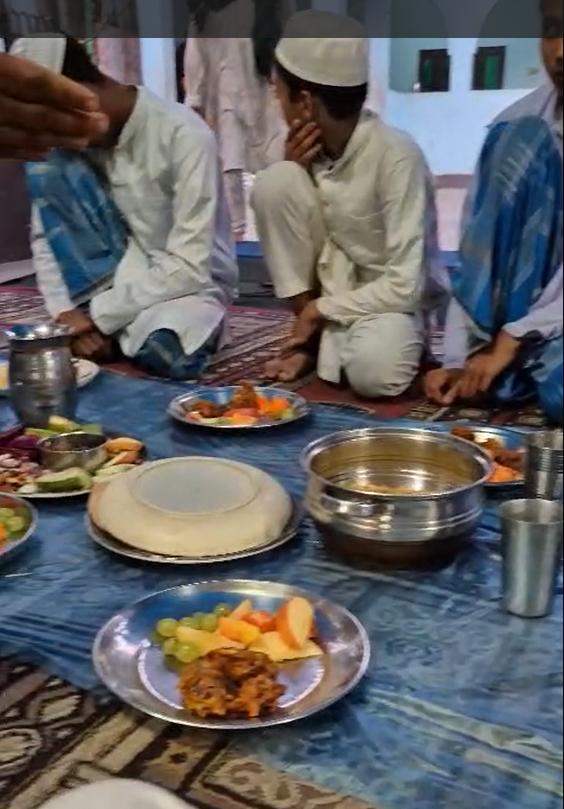 There are no lavish celebrations here, no throngs of people like those on Muhammad Ali Road in Mumbai’s Mumbra, no opulent Iftar gatherings in affluent Arabian mosques, nor even the warm, hearty feasts common in middle-class homes of Kerala. Poverty has taught these villagers modesty, and Nepal—still one of the world’s poorer nations—offers little scope for extravagance. Much of the land is steep hill terrain, limiting large-scale agriculture.
Nepal’s Muslims, who make up roughly 4.4–5% of the population (around 1.3–1.5 million people), are concentrated mainly in the Terai plains near the Indian border. A smaller group, known as Hill Muslims, lives scattered in western hill areas like Benighat; they are often migrants or descendants from India, sustaining distinct identities through mosques and madrassas, many funded by international Islamic organizations from places like Qatar or Saudi Arabia.
This one-story mosque—its bare floors, simple walls, and minimal amenities resembling a makeshift shelter more than a grand edifice—never closes; prayers are offered on time, and the community draws comfort and identity from it, free from any sense of threat. After Maghrib, the devotees return to their homes—simple structures roofed with asbestos sheets, a common sight across Nepal’s hills—only to return later for the next prayer.
The visitor, having joined the Muslims in Benighat for an Iftar during the visit, experienced firsthand the warmth and sincerity of this modest gathering. Sharing the simple meal of boiled chickpeas and rice flakes amid quiet conversation and post-prayer reflection brought a profound sense of connection—far removed from urban excess, yet rich in spiritual fulfillment and communal solidarity.
In this peaceful corner, faith, family, and fellowship sustain them through the holy month.