
By Robert Machado
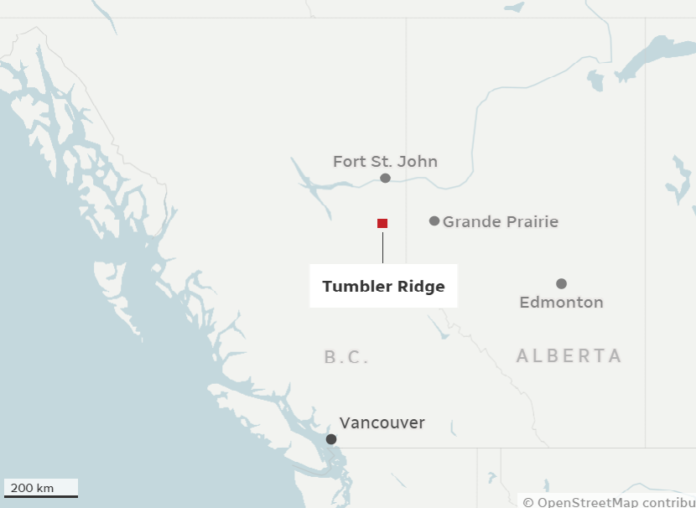
TUMBLER RIDGE, Canada — In the shadow of British Columbia’s Rocky Mountains, where isolation often breeds silence, a string of overlooked red flags — from repeated mental health crises to seized firearms returned to a troubled home — culminated in Canada’s deadliest school shooting in decades, exposing cracks in the nation’s support systems for vulnerable youth.
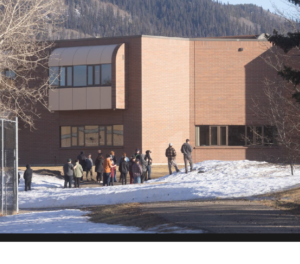
The rampage on February 10, 2026, at Tumbler Ridge Secondary School claimed nine lives, including that of the 18-year-old shooter, Jesse Van Rootselaar, in a community of just 2,400 souls. It began at home, where Van Rootselaar allegedly gunned down her mother and young stepbrother before turning her weapons on former classmates and a teacher, injuring 27 others in a burst of violence that has reignited national debates on gun control, mental health access, and the perils of online radicalization.
“This was not an unforeseeable tragedy,” said one local resident, speaking anonymously amid the town’s grief-stricken hush. “The signs were there, screaming for help.” Indeed, Van Rootselaar’s path to that fateful afternoon was paved with instability, from a fractured family life to untreated psychological torment, according to police records, court documents, and archived social media posts pieced together in the aftermath.
Born in 2007 in Newfoundland as a biological male, Van Rootselaar’s early years were marred by her parents’ acrimonious separation in 2009. Court filings from a 2015 British Columbia Supreme Court case detail a “nomadic” existence, with the family shuttling between provinces — Newfoundland, Alberta’s Grande Cache, Powell River in BC, and finally Tumbler Ridge — amid custody battles and relocation disputes. Her biological father, Justin Van Rootselaar, contested media use of his surname, insisting his child went by Jesse Strang and held a passport under that name, though authorities noted she adopted “Van Rootselaar” online and publicly.
 By age 12, around six years before the attack, Van Rootselaar began transitioning to female, a journey compounded by self-reported diagnoses of ADHD, OCD, major depression, and autism. Online, she vented frustrations over her 6-foot stature, yearning to be “petite,” and detailed battles with body image and gender dysphoria. Prescribed antidepressants like Zoloft and occasionally antipsychotics, she also admitted to substance abuse, including prescription narcotics, illicit drugs, and hallucinogens. A 2023 incident saw her set fire to a bed after consuming psychedelic mushrooms, prompting yet another crisis response.
Dropping out of school at 14, Van Rootselaar became a frequent subject of Royal Canadian Mounted Police (RCMP) welfare checks. Firearms were confiscated from the home twice — once years earlier and again in spring 2025 — only to be returned, despite her documented volatility. Her mother, Jennifer Strang (who remarried as Jennifer Jacobs), held an expired firearms license, and the family had long been around guns. Strang had voiced anti-trans bigotry concerns online, but reports suggest she was often absent, with Van Rootselaar partly raised by her grandmother.
Digitally, her world darkened further. Archived posts reveal an obsession with “violent” and “nihilistic” content, fascination with past mass shootings, and extremist symbols like the Nazi Sonnenrad as her profile image. Just days before, an antisemitic post surfaced: “I need to hate jews because the zionists want me to hate jews. This benefits them, somehow.” While no clear motive has emerged, experts point to a toxic mix of mental illness and online echo chambers.
The attack unfolded rapidly: Around 2:20 pm, Van Rootselaar shot Jennifer Jacobs, 39, and stepbrother Emmett, 11, at their Fellers Avenue home. She then stormed the school library, killing students Able Mwansa (12), Ezekiel Schofield (13), Kylie Smith (12), Zoey Benoit (12), Ticaria Lampert (12), and teacher Shannda Aviugana-Durand (39). Armed with a long gun and modified handgun, she died by suicide as responders arrived.
Prime Minister Mark Carney called it “horrific acts of violence” in Parliament, leading a moment of silence. The RCMP probe continues, ruling out accomplices, but community voices demand accountability for systemic lapses. As Tumbler Ridge heals, the echo of those missed warnings lingers, a stark reminder that in remote corners, cries for help can fade unheard.