
By A.P. Abdul Rahim
AL-EDABI, Saudi Arabia — In a bustling hall filled with the amber glow of dozens of honey varieties, it is a jar of snowy white cream that draws the longest lines.
Al-Majra honey — harvested from a fleeting mountain bloom high in the Sarawat range — has emerged as the star attraction at the Jazan Honey Exhibition 2026, part of the wider Jazan Festival in southwest Saudi Arabia.
Held at the cultural centre in Al-Edabi Governorate, the exhibition brings together around 60 beekeepers from across the region, displaying nearly 10 tonnes of honey spanning more than 15 prized local varieties. Sidr, Qatad, Salam, Samra, Talh and Marrar gleam in shades of gold and bronze — but it is the pale, almost milky Al-Majra that visitors cluster around.
“It is one of the rarest honeys in the Kingdom,” said beekeeper Ahmed Al-Fifi, gesturing toward neatly stacked jars of the thick, cream-coloured produce. “The difficulty of reaching the mountains is exactly what makes it so special.”
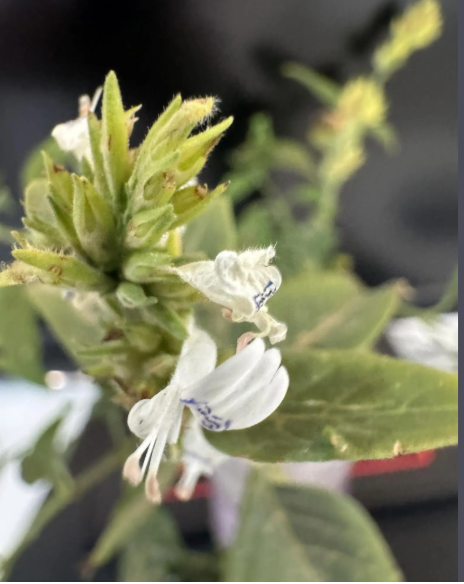
Unlike the more widely available Sidr honey, Al-Majra comes exclusively from the nectar of the Al-Nadgh plant, a hardy mountain shrub that blooms for only a brief window — sometimes just days — after seasonal rainfall. Growing in rugged, high-altitude terrain in Jazan and neighbouring highlands, the plant’s bitter leaves and roots deter grazing animals, helping preserve it in isolated pockets.
For beekeepers, however, the remoteness poses logistical challenges. Hives must be transported along steep tracks and monitored closely to catch the short flowering period. The limited geography and fleeting bloom naturally restrict production, adding to its premium status.
The result is distinctive: a snowy white honey with a thick, creamy consistency that often crystallises quickly. Its flavour is described as delicately sweet with a light floral aroma — subtler than darker mountain varieties.
Strong demand at the exhibition underlines its allure. Organisers said sales surpassed one million riyals (about $266,000) within the first four days, while visitor numbers exceeded 20,000 by day six. The popularity prompted the Prince of Jazan to extend the exhibition’s duration.
Beyond commerce, the event has become a showcase for regional heritage and biodiversity. Visitors sample honeys, attend workshops on beekeeping techniques and learn directly from producers about the journey from flower to jar.
Mountain honeys such as Al-Majra are often associated in local tradition with immune support and general vitality — claims rooted in heritage rather than comprehensive clinical study — but their appeal increasingly lies in provenance and purity.
The exhibition reflects a broader push to promote sustainable agriculture, food security and rural livelihoods under Saudi Arabia’s national development plans. By connecting consumers directly with producers, it offers small-scale beekeepers wider market access and higher margins for specialty products.
As festival-goers weave between stands laden with golden jars, many make a beeline for the palest of them all — aware that once the brief mountain bloom fades, Al-Majra’s rare sweetness may not return until the next rains.