
By KT Abdurabb
Ajman, the smallest of the United Arab Emirates’ seven emirates, is positioning itself as a quieter alternative to the country’s better-known tourism hubs, betting on heritage, nature and sustainability to draw visitors seeking a more measured travel experience.
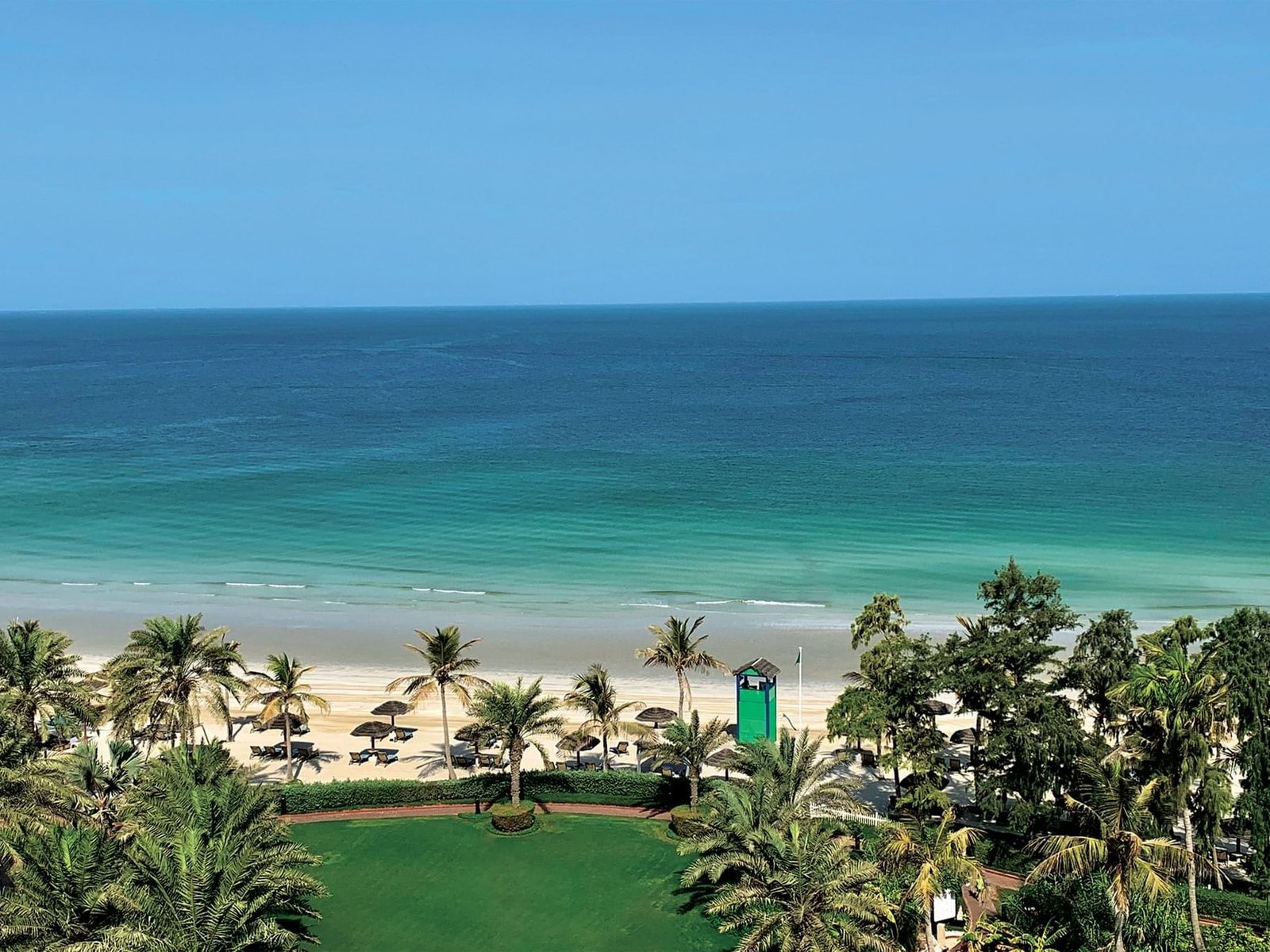
Long overshadowed by the scale and spectacle of neighbouring Dubai and Abu Dhabi, Ajman offers 16 kilometres of coastline, historic forts, protected mangroves and rugged mountain landscapes. Recent luxury resort openings, international recognition and stepped-up overseas promotion point to a tourism sector entering a new phase, with a focus on experiential and eco-conscious travel.
Heritage at the Core
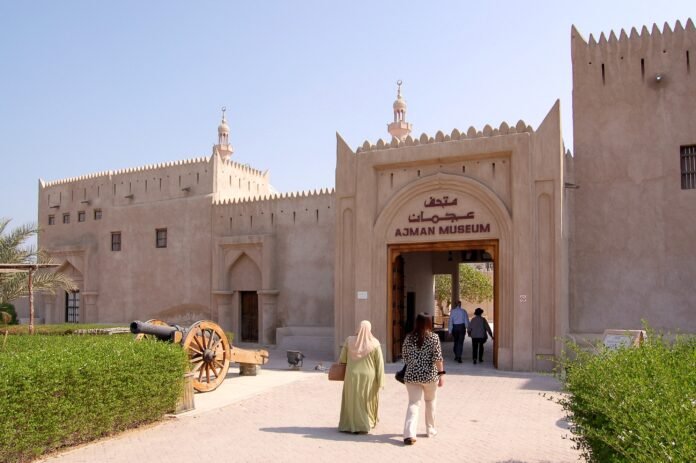
Ajman’s cultural identity is anchored in its history as a coastal and trading community. The Ajman Museum, housed in an 18th-century fort that once served as the ruler’s residence, traces the emirate’s maritime and desert past through displays of pearl-diving equipment, traditional weapons and reconstructed Bedouin living spaces.
Beyond museum exhibits, heritage remains a living practice. Along Ajman Creek, the dhow-building yard continues to produce wooden vessels using traditional techniques, while workshops and demonstrations offer visitors hands-on exposure to the emirate’s seafaring roots.
Archaeological sites such as Mowaihat, home to Bronze Age tombs dating back more than 4,000 years, underscore Ajman’s deep historical layers. Cultural festivals, including the Liwa Ajman Dates and Honey Festival, further highlight agricultural traditions and community life through food, performances and local crafts.
Nature and Conservation
Natural diversity is central to Ajman’s tourism appeal. Its beaches, marked by white sands and clear waters, remain comparatively uncrowded, while the Ajman Corniche has become a popular promenade for residents and visitors alike.
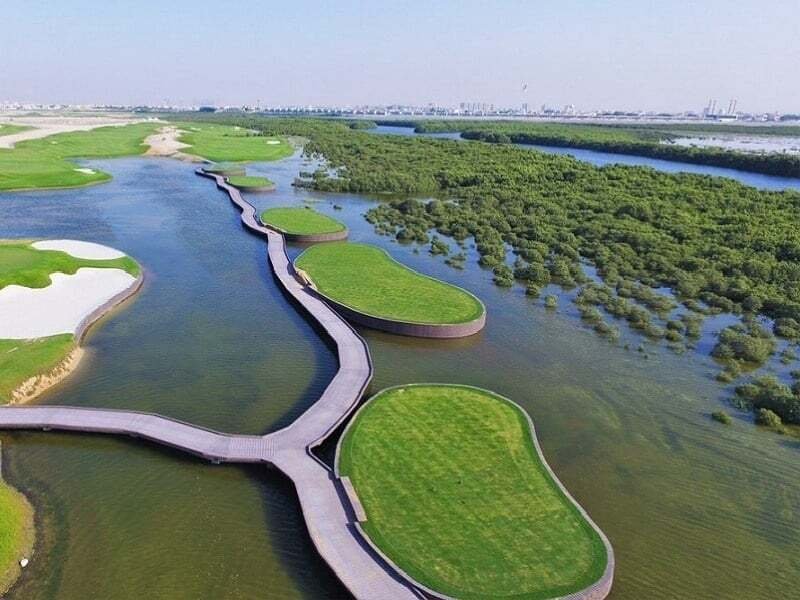
A key eco-tourism site is the Al Zorah Natural Reserve, a two-square-kilometre mangrove ecosystem that supports more than 100 bird species, including flamingos and herons. Kayaking routes, boardwalks and guided eco-tours allow access while prioritising conservation, reflecting a growing emphasis on sustainable tourism.
Inland, the mountain exclave of Masfout presents a contrasting landscape of valleys, terraced farms and cooler temperatures. Recently named the World’s Best Tourism Village 2025 by UN Tourism, Masfout has emerged as a model for rural and community-based tourism, offering hiking trails, heritage forts, farm stays and night-sky experiences in an unspoilt environment.
Modern Tourism Infrastructure
Alongside its heritage focus, Ajman is expanding its modern tourism offering. Luxury hotels such as Fairmont Ajman and Ajman Saray have strengthened its hospitality sector, with a Four Seasons resort scheduled to open in 2026. Retail options range from the Ajman China Mall to international brands at City Centre Ajman.
An expanding events calendar adds momentum, with activities including the Ajman Motor Festival, Masfout X trail run, Al Murabaa Art Festival and wellness-focused community events, catering to families, adventure tourists and cultural audiences.
Supporting this growth is an increasingly outward-looking strategy by the Ajman Department of Tourism, Culture and Media. In February 2026, the department conducted a promotional tour of the United Kingdom, covering Leeds, Liverpool and London, aimed at strengthening ties with European travel markets.
The initiative showcased Ajman’s integrated tourism offering, combining culture, nature and infrastructure, and included meetings with tour operators, travel firms and specialised media to promote investment and long-term partnerships.
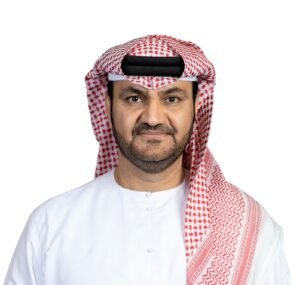 Director General Mahmood Khaleel Alhashmi (pictured left) said the UK was a priority market, citing its influence in global tourism and rising demand for destinations offering authentic, nature-based experiences alongside leisure and culture.
Complementary initiatives such as the Tourism Innovator Award 2025 and youth-focused training programmes aim to build local capacity and ensure long-term sector growth.
A Distinctive Path
Ajman’s tourism ambitions rest on differentiation rather than scale. Eco-tourism initiatives in Al Zorah and Masfout, combined with potential growth in adventure, wellness and cultural tourism, position the emirate as an alternative to the UAE’s mega-destinations.
With targeted investment, growing European interest and a clear strategic direction, Ajman is seeking to carve out a niche built on balance rather than spectacle.
More than a stopover, it is presenting itself as a destination where the quieter rhythms of the UAE come into focus.