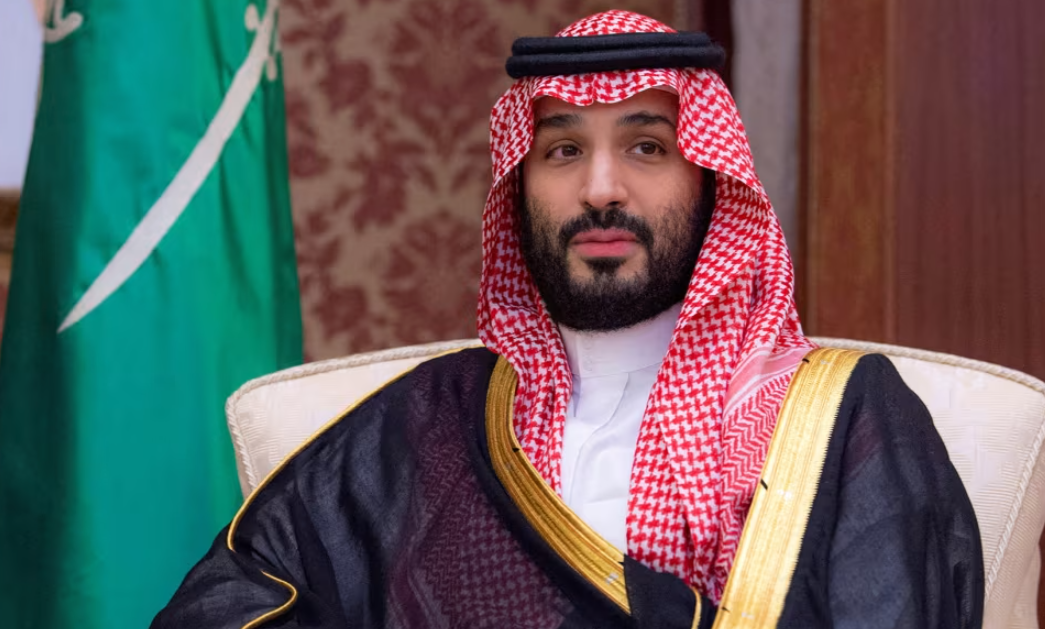
JEDDAH, Saudi Arabia — Saudi Arabia’s Crown Prince Mohammed bin Salman chaired a cabinet session Tuesday in Jeddah, where ministers reviewed a sweeping diplomatic agenda, approved seven bilateral agreements and commended progress under the country’s Vision 2030 reform plan as it enters its third and final phase.
The session covered regional security, GCC cooperation and wide-ranging talks the crown prince held with leaders from Syria, Lebanon, Ukraine, Switzerland, Japan, the Czech Republic and Bangladesh, according to a statement by Media Minister Salman Al-Dossary to the Saudi Press Agency.
The crown prince also briefed the cabinet on a message received by King Salman bin Abdulaziz Al Saud from Djibouti President Ismail Omar Guelleh concerning bilateral relations between the two countries.
 DIPLOMACY AND REGIONAL SECURITY
The cabinet reiterated the kingdom’s support for all diplomatic efforts aimed at establishing peace and stability, while reviewing the latest regional and international developments and their security and economic repercussions.
Earlier this month, the crown prince met Syrian President Ahmed al-Sharaa in Jeddah, where they discussed bilateral relations and opportunities to develop them across various fields, as well as the latest regional developments.
The crown prince’s discussions with Ukrainian President Volodymyr Zelenskyy covered strengthening bilateral partnership, with both sides signing a defense cooperation arrangement. They also addressed Russia’s assistance to Iran and developments in fuel markets and potential energy cooperation.
The cabinet expressed appreciation to leaders of the Gulf Cooperation Council states for their efforts during a recent GCC Consultative Summit hosted by the kingdom, which officials said reflected Saudi Arabia’s commitment to regional security and consultation.
VISION 2030: ENTERING PHASE THREE
The cabinet commended the achievements of Vision 2030 across its first two phases, noting that 93% of key performance indicators met their annual targets — driven by structural, economic, financial and legislative reforms. It called for redoubling efforts in the third phase, launched this year, to sustain and accelerate progress.
Of 390 active indicators, 309 met or surpassed interim targets, while 52 had achieved between 85% and 99% of their goals. Of 1,290 active initiatives, 935 have been completed since the plan’s launch, while 225 are progressing on schedule, meaning 90% are either complete or on track.
Saudi Arabia’s economy reached SR4.9 trillion ($1.31 trillion) in GDP as the kingdom enters the final phase of the plan. Non-oil sectors now contribute 55% of GDP, foreign direct investment inflows increased fivefold to $35.5 billion in 2025, and unemployment fell to 7.2% from 12.3% in 2016. Tourism surpassed the original 2030 target of 100 million visitors, reaching 123 million by end of 2025.
The third phase, spanning 2026 to 2030, will focus on accelerating the pace of achievement, seizing growth opportunities, maintaining government capital spending, and strengthening the role of the Public Investment Fund and the National Development Fund in stimulating local investment.
The cabinet also commended government entities for progress in the 2026 Emerging Technologies Adoption Readiness Index, highlighting digital integration gains and continued leadership in international rankings.
AGREEMENTS APPROVED
The cabinet approved seven agreements spanning energy, trade, investment, sports and media, including:
A memorandum of understanding between the Ministry of Energy and Colombia’s Ministry of Mines and Energy; two sports cooperation agreements with Brunei Darussalam and Somalia; an economic cooperation memorandum with Portugal; an investment promotion agreement with the Qatar Investment Promotion Agency; a customs cooperation and mutual assistance agreement with Nigeria; a food safety memorandum between the Saudi Food and Drug Authority and its Portuguese counterpart; and a news exchange agreement between the Saudi Press Agency and Syria’s Arab News Agency.